Concerns About AI in SEO and Content Marketing

Concerns about AI in SEO and content marketing include accuracy/hallucinations, plagiarism, brand voice drift, and trust. Fix them with verification checkpoints and SME fact-checks, originality tools and policies, voice guides with review loops, clear sourcing and approvals, and compliant GEO workflows. Measure across SERPs and AI surfaces, balance speed with substance, and partner with LocalLeadsAi for structured briefs, QA, and local lead outcomes.

Key Takeaways

  • Tackle concerns about AI in SEO and content marketing by enforcing a three-step fact-check workflow (research review, SME validation, final fact-check) and strict sourcing rules (date-stamped, primary, linkable) aligned to your market’s risk tolerance.
  • Protect originality by banning copy-paste, citing sources, and layering unique analysis—then validate with plagiarism checks and showcase proprietary frameworks, case studies, and methodologies.
  • Preserve brand voice in AI-assisted drafts with a tailored voice/tone guide, clear do/don’t language rules, and multi-stage calibration edits to keep messaging consistent.
  • Optimize for GEO and AI-driven search by mapping topics to SERPs and AI overviews, maintaining E-E-A-T, schema, and local entities, and building neighborhood-based topic clusters with strong locality signals.
  • Measure what matters in an AI-influenced landscape: track assisted conversions, SGE/AI inclusion, and CTA CTR, while standardizing quality with structured briefs, multi-stage edits, compliance checks, and realistic SLAs.

Addressing Data Accuracy and AI “Hallucinations” in SEO Content

Wrestling with concerns about ai in seo and content marketing?

You want content that wins trust, ranks, and converts—without a shaky claim.

We pair smart automation with rigorous human verification, so your team moves faster and stays protected.

Here’s how we keep you accurate and ahead.

AI hallucinations are instances where artificial intelligence generates factually incorrect information that appears plausible and authoritative.

To stop that at the source, we set verification checkpoints before publishing, including research review, SME validation, and a final fact-check that closes key loops.

We define acceptance criteria for factual claims and citations, requiring date-stamped sources, a preference for primary data, and clean, linkable references for auditability that teams can trust.

Accuracy standards align with your brand’s risk tolerance for each market, covering regulatory sensitivity, claim levels, and clear disclaimers.

Our workflow hardens reliability while protecting reputation, so your content remains dependable under scrutiny and supports your goals.

Fact-checking and human review checkpoints help catch and correct errors before publish.

Talk to LocalLeadsAi about a GEO blog workflow that bakes in human fact-checks, especially if your top concerns about ai in seo and content marketing include trust, compliance, and speed.

Safeguarding Originality and Avoiding Plagiarism

Originality isn’t negotiable.

Your audience can smell copycat content a mile away, and so can algorithms.

We address your concerns about ai in seo and content marketing by enforcing hardline originality policies across every GEO blog.

No copy-paste from sources—ever.

We cite what we use, then transform it with crisp analysis, local context, and decisive takeaways that add real value.

Our editorial workflow layers human judgment over smart tooling.

We run plagiarism detection on all AI-assisted drafts, then add an insight layer to ensure a unique perspective that doesn’t duplicate what’s already ranking.

Editors inject proprietary angles, field notes, and data pulls so your content reads unmistakably yours.

These steps make plagiarism a non-starter and keep your brand differentiated in crowded niches.

For durable uniqueness, we maintain brand-owned frameworks, checklists, and examples.

Proprietary methodologies, repeatable templates, and on-hand examples and explainers give us reusable IP that competitors can’t mirror.

This safeguards originality while turning each post into a concise proof of expertise.

If you’re navigating concerns about ai in seo and content marketing, we’ve solved them.

Ask LocalLeadsAi how our GEO Blog Writing Services keep your content unique today, confidently.

Preserving Brand Voice While Using AI

Your brand voice isn’t a vibe; it’s an operating system.

We start by building a voice/tone guide tailored to Marketing Directors of local service businesses—audience insights, tone sliders, and crisp style rules—so every sentence sounds like you.

That guide addresses your concerns about ai in seo and content marketing without diluting authority or momentum.

We define do/don’t language rules with ruthless clarity: approved terminology, taboo phrases, and microcopy that frames value, urgency, and next steps.

This becomes the lexicon your team and our AI follow, preventing drift and keeping messaging consistent across campaigns and GEO posts.

Then we enforce it.

Our review loops include pilot samples, calibration edits, and a final sweep where we reconcile nuance, claims, and cadence.

If a draft wobbles, we tune it back to spec—no exceptions.

You get consistency, speed, and a voice that scales without going robotic.

When you want results, despite concerns about ai in seo and content marketing, we make that non-negotiable.

Talk with us about codifying your standards and turning them into a living system.

Request a voice calibration session with LocalLeadsAi, and we’ll align every post to your brand, every time.

Earning Trust: Authority, Experience, and Human Oversight

Trust is built, not implied.

We attribute expertise, weaving in SME quotes and editor notes that explain local nuances your buyers face.

That human context turns guidance into action and helps your team address concerns about AI in SEO and content marketing with visible, real-world experience.

Every GEO post carries a byline with author credentials, edit history, and linkable sources ranked by reliability.

Primary data leads, secondary fills gaps, and we maintain impeccable link hygiene so readers and crawlers know where insights originate.

Authority isn’t a vibe; it’s documented.

For sensitive topics, we operate an explicit approval ladder.

Risk tiers define when legal or compliance must sign off, what claims require substantiation, and which disclaimers appear.

Nothing ships without recorded approvals, time stamps, and accountable owners, so your brand reputation stays better protected.

Our editorial oversight adds the right humans—SMEs for depth, editors for clarity, compliance for safety—without slowing momentum.

When you need scale and confidence, we deliver both.

See how LocalLeadsAi structures editorial oversight for GEO content and reduce concerns about AI in SEO and content marketing with a process you can trust.

GEO vs. Traditional SEO: What Changes, What Stays

Generative engines now shape discovery, not just blue links.

AI overviews, chat results, and entity-first indexing pull credible answers and reward brands that clarify who they are, where they operate, and why they’re trusted.

We map every topic to classic SERPs and AI-driven surfaces—people-also-ask, map packs, and SGE/AI snapshots—so your content is present when buyers look.

This mapping directly addresses concerns about ai in seo and content marketing by giving you coverage across evolving answer types.

What stays the same?

E-E-A-T signals, clean schema markup, and explicit local entity optimization still move the needle.

Retaining these standards is nonnegotiable; they reinforce authority for both rankings and AI summarizers.

We align briefs to intent, entities, and questions, then structure posts to be excerpt-ready, source-linked, and location-aware without fluff.

What changes?

We privilege entities and verifiable sources over keywords alone, and we design content for conversational extraction in chats and snippets.

That balance calms concerns about ai in seo and content marketing while compounding visibility across channels.

Ready to operationalize both?

Book a strategy call to align GEO and SEO with LocalLeadsAi today.

Local Relevance: Service Area Targeting Without Thin Content

We’ll thread local relevance into every post without duplicating fluff.

Start with clear locality signals: NAP consistency across directories and pages, references to landmarks, and service coverage statements that mirror how your customers describe the area.

These cues tell engines and humans you actually serve them, not a vague region.

To avoid thin content, we architect topical clusters that map to real neighborhoods and services—hub pages that define the territory, sub-service posts that answer specific pains, and local FAQs that address expectations on the ground.

This structure scales while staying meaningful.

Intent drives differentiation.

Instead of copy-pasting a template, we bring unique proof, nuances, and regulations per area to every URL, so each page earns its keep.

That also addresses your concerns about ai in seo and content marketing, because rigor beats generic outputs.

Locality signals—including Name-Address-Phone consistency and mentions of local landmarks—are essential for service-based queries, and clusters organized by service area create depth without repetition.

Our editors add human fact-checks and voice alignment, reducing risks tied to concerns about ai in seo and content marketing.

Consult LocalLeadsAi on building GEO blog clusters for your service areas.

Content Quality Control: From Brief to Publish

Quality isn’t an accident.

We start every GEO blog with a structured brief that spells out search intent, audience needs, pain points, and the evidence plan—complete with vetted source lists.

This clarity forces relevance from the first sentence and directly answers your largest concerns about ai in seo and content marketing by anchoring drafts to real-world proof, not vibes.

From there, we run a three-stage edit that delivers.

First, a developmental pass elevates substance, narrative flow, and topical coverage.

Second, a dedicated fact-check verifies dates, statistics, and links against primary, linkable sources.

Third, a compliance and brand review aligns claims with your risk posture, terminology, and legal guardrails.

The result is crisp, defensible content that stands up in any boardroom.

Behind the scenes, we maintain a content log that tracks owners, versions, timestamps, decisions, and approvals, so you always know what changed and why.

This audit trail fuels consistent updates and protects institutional knowledge, even as teams scale.

It’s also how we systematically reduce concerns about ai in seo and content marketing while moving faster than your competitors.

Ask LocalLeadsAi for our GEO content QA checklist.

Compliance, Privacy, and Ethical Use of AI

You’ve got real concerns about ai in seo and content marketing, and we address them with a documented, enforceable framework.

We classify data by sensitivity, then apply explicit rules for handling it: targeted redaction, role‑based access controls, and data minimization.

We minimize what we store and document what’s operationally necessary.

Setting and documenting these rules supports compliance and ethical standards without slowing your pipeline.

When AI assists, we disclose it with author notes, state model limitations, and detail the human review that shaped the final draft.

Editors own outcomes, not robots.

You get chain‑of‑custody clarity from prompt to publish, including what was generated, what was edited, and why decisions were made.

We align outputs with governing guidelines and platform policies, including FTC advertising principles and publisher requirements.

For regulated topics, we coordinate with your internal policies and legal guidance.

Every post undergoes proportional compliance review and quality checks, backed by workflow audit trails and approval timestamps.

We do not provide legal advice.

If you’re a Marketing Director at a local service business and you’re navigating concerns about ai in seo and content marketing, talk to us.

Discuss compliant GEO content practices with LocalLeadsAi and publish with confidence.

Measuring Performance in an AI-Influenced Search Environment

Your dashboard has one job: prove impact.

We track engagement that moves pipeline—time on page, scroll depth, CTA click-through, assisted conversions, and lead quality tied to content themes.

Then we connect the dots to booked jobs and revenue so you can defend budget without sweat.

To address concerns about ai in seo and content marketing, we expand visibility tracking beyond rankings to map packs, AI Overviews/SGE, and chat surfaces, logging when entities are cited or summarized.

We calibrate attribution with UTMs, call tracking, and CRM feedback loops, so informational posts get credit for influence, not just last-click glory.

Iteration is relentless: A/B test hooks, intros, and CTAs; tune entities, schema, and internal links; and ship updates based on query shifts and presence in AI snapshots.

We score topics by conversion assist rate and quality signals, not vanity metrics.

Every month you get narrative, not a spreadsheet: what we tested, what won, what’s next.

If your team has concerns about ai in seo and content marketing, we translate signals into decisions you can present.

Get a measurement plan from LocalLeadsAi for GEO blogs.

Balancing Speed and Substance in AI-Assisted Production

Speed wins attention; substance wins deals.

As a Marketing Director for a local service business, you need both.

We set clear service levels and gate topics by complexity so speed never bulldozes nuance.

Each brief includes intent, required sources, and non-negotiables, ensuring fast drafts land on-target.

We measure cycle time against accuracy and impact, not word count, so you get momentum without rework.

Volume for volume’s sake is noise.

We prioritize high-impact topics using opportunity sizing, revenue proximity, and seasonality, then sequence posts to capture near-term demand while building durable authority.

That’s how we address your concerns about ai in seo and content marketing without throttling growth.

Substance requires oxygen.

We reserve editorial time for thought leadership: SME interviews, credible source material, and a sharp, defensible POV.

Researchers prep packets, editors schedule calibration passes, and strategists shape the angle before draft one.

The result is publish-ready content that’s quick, credible, and unmistakably yours, easing your concerns about ai in seo and content marketing with repeatable rigor.

Partner with LocalLeadsAi to scale quality, not just quantity—with a workflow built for speed, accuracy, and measurable outcomes that keeps your team aligned.

Choosing a Partner: What to Expect from LocalLeadsAi’s GEO Blog Writing Services

When you work with us, scope is never fuzzy.

We map strategy, briefs, drafts, edits, and approvals into a RACI, with timelines and milestones locked.

You’ll know who owns what, when it delivers, and how it advances your goals—no drift, no surprises.

We build collaboration around your SMEs.

Our intake workflows capture nuance fast; review cadences and feedback loops keep your voice sharp and compliant.

We integrate quotes, proof, and local nuance without burdening your calendar, so expertise scales without friction.

We align success to outcomes that matter: qualified leads, booking rates, and CAC/LTV impact.

Dashboards reveal engagement and actions, so you can fund winners and fix laggards decisively.

We address your concerns about ai in seo and content marketing head-on, with human checkpoints, citation standards, and accountable ownership baked into every post.

If you’ve had concerns about ai in seo and content marketing, this is where that ends.

Contact LocalLeadsAi to plan your GEO Blog Writing Services rollout.

Frequently Asked Questions

We recommend anchoring key entities, matching search intent with deeper coverage, and optimizing for AI overviews—while maintaining E-E-A-T, structured data, and smart internal linking.

What editorial safeguards reduce AI hallucinations in blog content?

We run SME interviews, cite and date-stamp sources, and complete a two-pass fact-check. We also archive citations for audits to reduce hallucinations and protect accuracy.

How can GEO blog posts support local service area visibility?

We build neighborhood hubs with location entities and notable landmarks, then interlink sub-services to increase pack visibility and AI card inclusion.

Which KPIs should you track for GEO-focused content?

Track assisted conversions, lead quality, CTA click-through rate, local pack share, SGE appearances, and topical coverage to tie content to pipeline.

How does LocalLeadsAi collaborate with your internal teams on approvals?

We use clear RACI roles, SME reviews, and compliance sign-offs so you keep momentum without losing accuracy or brand voice.

What are your biggest concerns about AI in SEO and content marketing? Share your concerns, and we’ll align a workflow with human fact-checks and editorial QA to keep quality high.


Effective Content Marketing For Construction Companies in 2026

Content marketing helps construction companies draw in and win over clients by sharing useful, easy-to-find content made for homeowners, contractors, and commercial buyers. In 2026, it’s key to building trust, getting seen locally, and pulling in strong leads through blogs, visuals, and how-to guides. It also shows your firm knows its stuff and keeps your message in line with each step of the sales process.

Key Takeaways

  • In 2026, content marketing is key for construction companies. Focus on sharing helpful info that builds trust instead of just trying to sell. Use useful guides and tips to turn visitors into leads.

  • Telling real stories sets you apart. Share true project experiences and client reviews to build trust and connect with your audience on a personal level.

  • Know how your audience acts online. Speak to both homeowners and contractors by using the content they prefer—like blogs, walk-through videos, or sharp project photos.

  • Boost your blog with smart SEO. Use niche keywords and focus on local searches to bring in more traffic over time and grow your brand in the construction space.

  • Teach and show to earn trust and drive leads. Answer common questions and use visual tools like before-and-after shots or case videos to build your credibility.

What Is Content Marketing for Construction Companies in 2026?

Wondering how content marketing for construction can help grow your business in 2026?

If you run an agency or work in the trades, you’ve likely noticed that old-school ads just don’t work like they used to.

Today’s clients don’t want to be sold to—they want clear answers, proof, and trust.

That’s where smart, useful content comes in.

When you share tips, facts, and how-to guides often, you bring in the right leads, show your know-how, and earn trust—without the hard sell.

It’s a fresh way to market that puts real connections first, and it’s built for the online world we live in now.

But what does content marketing for construction companies really mean?

It’s more than just blog posts or social media.

It’s a full plan for sharing helpful content.

This could be step-by-step guides on how building works, tips on handling permits, or info that shows off your team’s skills.

Instead of pushing your service, you pull clients in by being useful.

Unlike old-school ads that break in and distract, content marketing builds trust over time.

Whether you serve other businesses or regular folks at home, strong content teaches, connects, and turns readers into loyal clients.

And if you’re also looking at content marketing for tech companies, the same rule applies: teach, don’t sell.

Give value first, and the rest will follow.

Why Construction Companies Must Embrace Digital Storytelling

The way people research in the construction world has changed—and it’s not going back.

Your future clients aren’t picking up print brochures; they’re reading blogs, watching clips, and checking reviews online.

That’s why digital storytelling matters more than ever.

Today, digital storytelling isn’t just hype.

It’s a key part of how clients connect with construction brands.

Whether you’re helping homeowners revamp their space or big firms break ground, stories stick.

When you share your mission, show your team’s skills, and give people a look behind the scenes, you make your brand feel real.

It builds trust.

For marketing teams focused on construction, using SEO blogs, sharp emails, and bold visuals helps turn those stories into a solid plan that can grow.

You’re not just selling work—you’re showing change.

That’s where content marketing for construction stands out.

It adds heart, shows the work behind the walls, and makes your project feel close to home.

Whether your target is another business or the everyday buyer, stronger digital stories help you stand out in a packed field.

And if you’re already doing content marketing for tech companies, the same rules apply—clear stories, simple value, and a human voice.

Understanding the Construction Audience’s Online Behavior

If you’re involved in content marketing for construction, knowing your audience is a must.

Whether you’re speaking to homeowners planning a remodel or developers handling big projects, it’s key to know how they act online in 2026.

These days, clients—both home and business—aren’t flipping through brochures or waiting on phone calls.

They’re online, browsing, comparing, and making choices without saying a word.

The way people view content has changed.

Homeowners now prefer video tours, how-to blogs, and before-and-after photos.

Contractors and developers want content that shows expertise—like expert tips and virtual project walk-throughs.

In both business and consumer markets, clear and useful content that looks good is what gets attention.

People now do their homework before picking who they’ll work with.

That’s why content marketing for construction needs to keep up and match what these users expect online.

And if you’re also doing content marketing for tech companies, you might notice the same trends—a focus on clear info, skill, and content that gives quick value.
These days, content marketing for construction isn’t just nice to have—it’s a must.

At LocalLeadsAi, we see SEO blog writing as the engine that keeps your marketing running.

Instead of relying on paid ads that fade fast, blog posts built around the right search terms bring in steady traffic over time.

People search for things like “kitchen remodel timeline” or “commercial build-out process”—and using those phrases in your blog helps them find you.

GET YOUR FREE
AI VISIBILITY AUDIT WHEN YOU BOOK A CALL!

Get Leads From ChatGPt

Building Authority Through Educational Content

In content marketing for construction, building trust isn’t just about showing off past work.

It’s about answering the big questions your future clients are already asking.

Think of search terms like “What does a construction permit involve?” or “How long does home remodeling take?”

These are early signs that someone needs your help.

Sharing clear, useful info is your way to meet them where they are.

At LocalLeadsAi, we write SEO blog posts that teach without sounding like a lecture.

We pick topics that solve real problems—like how long a build might take, how to pick the right materials, or how to set a smart budget.

When you offer this kind of help, people start to see your brand as a go-to source.

That kind of trust pays off over time.

Whether you work with homeowners planning a remodel or developers looking for partners, these blog posts can turn curious readers into real leads.

This type of content doesn’t just bring clicks—it brings warm leads.

They’re already learning from you, even before they talk to sales.

For marketers, it’s a smart way to scale—offering strong, helpful content across many client lists with ease.

You don’t build authority in a day.

It’s built one post at a time, by sharing content that teaches and helps.

Done right, this becomes the core of a strong content marketing for construction plan—and it also works great for other fields like content marketing for tech companies.

Visual Content and Project Showcases That Convert

Construction isn’t just bricks and beams—it’s about change.

That’s why visual content is key in strong content marketing for construction.

When someone checks out your site to see if they can trust you, a sharp before-and-after photo or a smooth video of a job well done says more than words ever could.

These don’t just look good—they prove you get results.

Mixing great visuals with a blog post makes things clearer and helps with SEO too.

Search engines like content that uses alt text, clean layout, and visuals that keep folks interested.

This can help your site rank better, get more eyes on the page, and boost conversions.

Want to get more out of your pictures and videos?

Use them across your blog, socials, project galleries, and email blasts.

A gallery that hooks someone reading your blog can also spark interest on LinkedIn or Instagram.

At LocalLeadsAi, we help marketing teams and service pros like you make the most of visual content—whether it’s content marketing for construction or content marketing for tech companies.

Let’s turn your work into content that brings results.

Localized Content Strategy for Construction Firms

Great content marketing for construction in 2026 isn’t just about showing up—it’s about showing up for the right people, in the right place.

That’s why a local content plan matters.

When your blog covers local topics—like city permitting, regional codes, or popular styles in your area—you’re talking about what your audience cares about.

And that kind of focus matters.

Hyperlocal SEO is key in digital marketing for builders.

When you use city-focused words in your blog titles, headers, and meta tags—and link everything to a solid Google Business Profile—you boost your rank in local search.

Whether you’re reaching out to homeowners in one city or building a plan for multiple locations, the goal stays the same: keep it local and clear.

We help agencies and builders shape blog content with local hooks that hit home—because content marketing for construction shouldn’t be one-size-fits-all.

This kind of targeted plan also works well for content marketing for tech companies, especially SaaS brands with clients spread out across different regions.

Need city-based content that works? Let LocalLeadsAi write your next SEO blog—and help you stand out in every service area.
For those in content marketing for tech companies, the same idea applies.
When it comes to content marketing for construction, tossing out random blog posts and hoping they work just won’t cut it in 2026.
One thing’s clear from working in *content marketing for construction*—things change fast.

What worked last year might be old news now.

And in 2026, that matters more than ever.

To stay ahead, you need more than grit.

You need to keep up with new tools, tech, and what your audience wants.

GET YOUR FREE
AI VISIBILITY AUDIT WHEN YOU BOOK A CALL!

Get Leads From ChatGPt

Common Mistakes Construction Firms Make With Content Marketing

Let’s be real—content marketing for construction isn’t just posting a few blogs and waiting for the phone to ring.

If it were that easy, everyone would be closing deals while kicking back with a cold drink.

But in truth, many construction companies slip into common mistakes that can hold their strategy back.

We’ve seen it happen over and over.

Before jumping in to fix it all, let’s look at the biggest missteps we see right now in 2026.

First, there’s the habit of only promoting recent builds without offering anything useful.

Sure, sharing drone shots and polished photos grabs attention.

But content marketing for construction works best when it builds trust and teaches something—not just showing off cool projects.

If your content feels too much like an ad, potential clients may tune out.

People want helpful info like how long a remodel may take, what permits they’ll need, or what new trends to watch for.

Focus less on hype and more on helping.

That shift turns your content into something people actually seek out.

Next, skipping SEO is like building a dream home on weak soil.

No matter how well your blog is written, it won’t get seen without a plan to help it rank.

This is even more important when reaching for niche topics or local searches.

A strong SEO strategy—something other fields like content marketing for tech companies have nailed—can boost your reach.

If you miss the right keywords, tags, or links, your content might stay hidden.

Another big slip? Not staying consistent.

We get it—construction work is busy, and writing isn’t always top of mind.

But dropping four blogs in spring and none again until fall doesn’t send the right message.

Your audience wants to feel you’re reliable.

Regular posts help show that.

A simple content plan—especially with the help of experts—can keep your brand active, consistent, and trusted in your space.

The good news? You don’t need to start from scratch to do it right.

You just need sharp strategy, the right tools, and a team that gets both construction and content.

At LocalLeadsAi, we mix smart AI tools with proven SEO to make sure your blog content not only looks great but ranks well, reads clearly, and gives real value.

Aura AI brings together the best of both worlds—human-level writing with smart SEO and fast AI speed.

It delivers clean, top-quality content in just minutes, whether you’re a small firm or large company.

Aura is the top choice for SEO blog services because it offers high-quality work at scale.

Our team of prompt engineers, SEO pros, and developers makes sure every piece of content hits the mark and is ready to use.

What’s one mistake you’ve made with your firm’s content marketing—and how did you fix it?

FAQ: Content Marketing for Construction Companies

What types of content are most effective for construction companies?

The best content for construction companies includes simple blog posts, clear service details, and strong visual content like before-and-after pics or short walkthrough videos. These help show your skills, work quality, and eye for detail—things your clients care about. Blogs that answer common questions, explain how things work in easy terms, or give tips based on local rules also work well. At LocalLeadsAi, we’ve seen that when solid written content is paired with strong visuals, it grabs more attention and gets better results.

How does content marketing help construction businesses generate leads?

Content marketing helps construction companies get leads by making them easier to find online and showing they know their stuff. Each blog post is a chance to help someone solve a problem and see your business as the one to trust. Good content answers the real questions your clients ask. With steady posting and solid SEO, your site will start pulling in more of the right people. Over time, this builds trust and leads to new jobs from both home and business clients.

How often should a construction company publish blog content?

Staying on a regular schedule is key. We suggest most construction companies start with one or two blog posts each month. Stick to whatever pace you choose. How often you post can depend on your goals, who you serve, and how tough the local market is. In areas with lots of competition, you may need to post more often to stay ahead online. If you serve both homes and businesses, make sure your content speaks to both sides. A smart content calendar that follows the seasons or new trends can keep your content fresh. If you’re short on time, LocalLeadsAi’s Aura AI can help you create strong SEO blog content fast and with little hassle—making content marketing for construction easy and effective.

Have a question about content marketing for construction companies? Drop it in the comments below—we’d love to hear from you!

Ultimate Guide: What Is Generative Engine Optimization? 2026

What is generative engine optimization refers to optimizing content for AI-generated answers, summaries, and chat results. It complements SEO by using answer-first structure, clear entities, and multi-source corroboration to earn inclusion in AI snapshots, chat answers, and co-pilot flows in 2025.

Key Takeaways

  • If you’re asking “what is generative engine optimization,” it’s the practice of structuring content to be selected and cited in AI-generated answers—complementing (not replacing) your SEO—so start auditing pages for answer-first intros and source support.
  • Optimize for AI snapshots and chat results by using entity-rich language, unambiguous claims, and multi-source corroboration to boost your odds of being cited in AI answers.
  • Treat SEO as the floor and GEO as the ceiling: layer GEO formatting, citations, and disambiguation onto existing SEO, and plan your editorial calendar around intents AI frequently summarizes.
  • Local service brands win zero-click and co-pilot moments by showcasing local expertise, clear services, and consistent listings/PR signals that corroborate on-site claims.
  • Measure GEO impact pragmatically—track presence in AI answers, brand mentions, branded search lift, and assisted conversions—and avoid pitfalls like vague claims or long, non–answer-first content by using review checklists and governance standards.

What Is Generative Engine Optimization (GEO) in 2026?

Have you been asking, what is generative engine optimization and how it helps secure your brand inside AI answers your buyers see?

You want qualified attention with less noise.

You want your services cited in AI summaries when customers are comparing options.

You want consistent visibility when clicks are compressed by answer-first experiences.

Here’s the pivot: we align your content to be selected, summarized, and cited by AI systems so your brand can show up where decisions happen.

Generative Engine Optimization (GEO) is the process of optimizing content to be chosen by large language models like ChatGPT and Google’s AI, prioritizing AI-generated answers, summaries, and chat results over traditional rankings.

It complements—not replaces—SEO: SEO sustains discovery in results, while GEO structures clarity, entities, and corroboration so machines can understand and quote you more confidently.

That’s why leadership keeps asking, “what is generative engine optimization” and “what is geo”—AI-driven search shapes how customers interact with content, and clean, unambiguous claims can earn citations.

In 2025, GEO is a board-level visibility lever for local service brands that refuse to be invisible in zero-click moments.

Ready to translate this into action?

Explore GEO Blog Writing Services with LocalLeadsAi.

How GEO Works Across AI-Driven Search Experiences

GEO shows up wherever AI compresses the web into guidance.

That includes AI snapshots, chat answers, perspectives, and assisted browsing flows that stitch steps for the user.

Here’s the practical core: structure with ruthless clarity, surface source credibility, and package context concisely.

When you ask “what is generative engine optimization,” think answer-first blocks that name entities, state unambiguous claims, and link corroboration across multiple trustworthy sources.

LLMs tend to cite pages that reduce ambiguity, maintain internal consistency, and align with off-site signals—so we engineer that alignment deliberately.

In practice, we model entities for people, services, locations, and proofs, then present tight definitions, scannable context, and verifiable takeaways the models can lift cleanly.

That is why what is generative engine optimization and “what is geo” content must be written for machine selection, not human skimming.

Do this and your brand can appear in AI summaries users see first during intent-heavy moments.

We aim to make your pages easy to quote, trustworthy, and fast to parse across chat, perspectives, and co-pilot flows.

Ask LocalLeadsAi how to make your content discoverable in AI answers.

GEO vs. SEO: Similarities and Differences

GEO and SEO share the same backbone: user intent mapping, topical authority, and E-E-A-T that proves you’re the expert.

SEO earns crawlability and rankings; GEO turns that authority into AI-ready answers.

Marketing Directors at local service businesses ask “what is generative engine optimization and why now.”

Our answer: SEO attracts; GEO gets cited.

The differences are decisive.

GEO uses answer-first structuring, putting a crisp takeaway at the top, then layering brief context, proof, and action.

It forces disambiguation with entity-rich language, so models can’t misread services, locations, or qualifications.

GEO leans on source triangulation—on-site signals aligned with off-site references—so AI systems are more likely to trust and quote you faster.

In practice, SEO is the floor; GEO can be the ceiling for 2025 visibility.

If you’re wondering what is GEO in operational terms, it’s the discipline that makes your pages selection-worthy for AI snapshots, chats, and summaries.

SEO remains crucial for discovery, while GEO compounds that visibility inside AI responses.

Ask yourself what is generative engine optimization doing for your pipeline today.

Ready to layer it on?

Book a quick consult with us at LocalLeadsAi to map GEO on top of your SEO for your local service business and drive more assisted demand.

Why GEO Matters for Local Service Brands

AI compresses the page into a single window; your customer meets you in summaries, not SERPs.

That’s why answering what is generative engine optimization isn’t academic—it’s revenue.

GEO gets your pages cited in AI snapshots, chat answers, and assisted browsing, where visibility shrinks and trust tightens.

As systems scan for clear entities, unambiguous claims, and corroboration, we package your expertise to be chosen, quoted, and acted.

Local decision journeys are now summary-led and trust-gated.

Prospects skim an AI card, confirm credentials, and book.

If you’re a Marketing Director for a local service business, you need your service scope, policies, and proof arriving first, so the model includes you in zero-click and co-pilot moments.

That’s how local brands outrun bigger budgets with sharper clarity.

You’re asking what is geo and what is generative engine optimization because inclusion determines pipeline.

We align on answer-first structure, entity-rich language, and verifiable specifics, then normalize across your site, profiles, and citations.

Say it once, clearly, everywhere—get pulled into the answer box.

Stop chasing impressions.

Own the answer.

Explore GEO Blog Writing Services with LocalLeadsAi to turn this into action for your niche and convert compressed attention into booked jobs.

Core Principles of GEO Content

Answer-first or bust.

We open every page with a definition, context, and differentiators, then expand.

That structure signals to AI that you resolve intent immediately, which puts your brand in the citation lane.

When your C-suite asks, what is generative engine optimization?

your intro states it in one crisp line, followed by context that reinforces the claim without fluff.

Next, go entity-rich.

Name the people, services, geographies, certifications, and systems involved.

Link verifiable specifics to authoritative profiles and pages.

AI prefers unambiguous entities and conflict-free facts, so you win when each claim is precise, sourced, and consistent with on-site and off-site signals across directories, PR, and knowledge graphs.

Maintain corroboration.

Keep messaging, numbers, and service terminology aligned everywhere your brand appears.

If it’s true on your site, it must echo in listings and thought leadership.

That harmony boosts trust in summaries and co-pilot answers.

Finally, write like a helpful human.

Package concise context, then deliver practical takeaways.

If a stakeholder asks, what is generative engine optimization or what is geo, your copy answers in seconds.

Get a principle-based GEO content framework from LocalLeadsAi.

Building GEO-Ready Blog Content (High-Level)

Start by staking topics AI already summarizes relentlessly in your niche.

We map intents from customer FAQs, service qualifiers, and decision friction, then translate those into answer-first posts.

Each article opens with a crisp definition and outcome statement, so when LLMs ask what is generative engine optimization, your page supplies the exact, copyable segment.

We fold in entity specifics—services, service areas, regulations, turnaround—so models read you as concrete, not generic.

That clarity earns inclusion and drives real-world calls and forms.

Next, design for snippetability.

We build modular sections with skimmable subheads, tight paragraphs, and quotable lines that stand alone without losing context.

Plain-language claims come paired with source cues—on-site service pages, credentials, and third-party references—so confidence scores rise.

We end modules with clear takeaways, packaging context-conclusion pairs AI loves to cite.

When users ask what is geo, your post delivers the decisive, corroborated blurb that lands in snapshots, chats, and assisted browsing.

Finally, we tune style for speed: minimal fluff, explicit disambiguation, and consistent terminology across posts.

If you’re a Marketing Director for a local service business, you already know what is generative engine optimization matters.

Ready to operationalize?

Have LocalLeadsAi produce GEO-ready blog posts for your priority topics.

Integrating GEO with Your Existing SEO and Content Ops

Keep your SEO pillars intact—technical health, crawlability, on-page relevance, and link equity—and layer GEO on top.

We standardize answer-first formatting, add explicit entity labels, and cite verifiable sources to help AI systems consider your content for summaries.

This is where your understanding of what is generative engine optimization becomes operational: we convert intent maps into modular intros, claim blocks, and source cues without derailing your current workflows.

Align your editorial calendar to close gaps in AI-summarized intents.

We inventory the questions AI already answers for your category, prioritize missing angles, and schedule pieces that deliver concise definitions, context, and differentiators.

Every post gets a clear answer paragraph, entity-rich service terms, and consistent corroboration across your site, profiles, and authoritative mentions—because AI favors clarity, unambiguous claims, and multi-source support.

Enable cross-functional standards so marketing, content, and ops speak the same language.

We document rules for answer-first packaging, citation etiquette, and entity usage, then bake them into briefs, CMS fields, and QA checklists.

That way, when someone asks what is GEO, your brand can show up with confident, corroborated guidance—and when another asks what is generative engine optimization, your content is structured to be eligible for selection and citation.

Request an integration checklist from LocalLeadsAi and operationalize GEO across your SEO and content ops today.

Measuring GEO Impact (Without Overcomplicating)

If you’re a Marketing Director at a local service business, you don’t need a lab coat to quantify GEO.

Start by documenting where your brand is cited inside AI answers: snapshots, chat summaries, and co-pilot panels.

Track the exact queries, the language used, and the linked sources.

That visible presence—plus recurring brand mentions—is your first signal that what is generative engine optimization is working.

Next, watch zero-click engagement.

Look for increases in assisted clicks from AI surfaces, time-on-site from AI referrals, and uplift in navigation to high-intent pages after exposure to summaries.

Use directional proxies that tie to revenue: branded search lift, impression overlap with priority terms, and assisted conversions attributed in your analytics.

Instrumenting this is simple: set up tags for AI-referral parameters, annotate launches in your content calendar, and compare cohorts before and after new GEO content goes live.

When leadership asks what is generative engine optimization, show the trendline, not the noise.

And when they ask what is geo, show the incremental inclusion rate across AI answers and the downstream conversion deltas.

Ask us at LocalLeadsAi about pragmatic GEO measurement approaches today.

Avoiding Common GEO Pitfalls and Myths

The loudest myth: GEO replaces SEO.

It doesn’t.

GEO refines content for AI consumption while SEO sustains classic visibility.

If your board is asking “what is generative engine optimization,” anchor the answer in reality: it’s how your content gets selected, summarized, and cited by AI—on top of SEO, not instead of it.

Another trap is vague claims without corroboration.

State unambiguous facts, name entities, and echo them across your site, profiles, and listings to earn citations.

Overlong, meandering copy gets skipped; lead with answer‑first intros, then expand with concise, source‑backed context.

Avoid jargon stacking.

Use plain language, tight definitions, and on-page signals that match your off-site footprint.

Disambiguate services and service areas clearly so models never guess.

Keep pages modular, with scannable sub-sections designed for snippetability and cross‑verification.

If you’re a Marketing Director for a local service business still debating what GEO is, you need execution.

We’ll pressure-test your posts for entity clarity, corroboration, and answer packaging.

Let us at LocalLeadsAi audit a post for GEO pitfalls before you publish.

For clarity, we answer “what is generative engine optimization” with crisp, corroborated evidence.

Governance and Workflow for GEO Content

GEO excellence is operational, not accidental.

We codify standards for answer-first intros, crisp claims, and verifiable source support to maintain clarity and consistency across every post.

Start each article with definitive answers, then layer context, proof, and differentiators—this is how AI selects citations.

Build a review checklist that enforces disambiguation, entity precision, and alignment with your local services and pages.

Maintain a living entity/style guide so teams use consistent service terminology, addresses, and naming, preventing conflict across AI summaries.

Train writers to package concise context blocks, cite primary sources, and cross-check on-site and off-site signals.

For your board—and for you as a Marketing Director of a local service business—the question isn’t merely what is generative engine optimization; it’s how you operationalize it weekly.

We help you document workflows, owners, and response times so GEO isn’t a campaign—it’s muscle memory.

Include a quarterly audit of AI answer presence and close the loop with editorial updates.

If you’re asking what is GEO, the next step is execution.

Connect with LocalLeadsAi for GEO governance support and move with confidence.

That’s what is generative engine optimization in practice.

Entity clarity takes center stage in 2025.

AI rewards conflict-free claims, explicit services, and verifiable people, places, and proofs.

We craft answers that disambiguate fast, then back every line with corroboration.

That’s the evolution of what is generative engine optimization from theory to operational discipline.

Local expertise now drives inclusion; expect gains when you pair service-context examples with on-the-ground nuances your buyers recognize.

Content and your existing mentions and directories are converging; we align your blog content with those signals so AI sees a consistent story supported by sources.

Wondering what is GEO beyond buzzwords?

It’s your blueprint for being cited inside AI snapshots, chats, and assisted browsing moments that shape zero-click decisions.

We package concise, entity-rich claims, test for ambiguity, and maintain a living evidence trail across your ecosystem.

If you’re asking, “so, what is generative engine optimization doing for pipeline?”—it’s securing visibility where choices are made.

Stay ahead—subscribe to updates from LocalLeadsAi’s GEO Blog Writing Services.

Frequently Asked Questions

What is generative engine optimization in simple terms?

It’s structuring content so AI cites you in answers and summaries with credible evidence and sources.

How is GEO different from SEO for local service businesses?

SEO wins rankings; GEO wins citations. We layer formatting, disambiguation, and claims AI trusts most.

What is GEO’s role in AI answer boxes and summaries?

For queries like “what is generative engine optimization,” GEO increases selection through clear proof, context, and sources.

Does GEO require changing all existing content?

No. We prioritize key pages, add answer-first intros and entities, and align signals across your site.

What is GEO’s impact on branded vs. non-branded visibility?

GEO lifts both—brand summaries strengthen; non-branded intents gain inclusion. Ask “what is GEO” next for clarity.

Send your GEO question to LocalLeadsAi—we’ll point you to the answer, fast, with clarity and next steps.

Have thoughts on GEO and “what is generative engine optimization” in 2025? Share.

What Is Generative Engine Optimization & How To Implement It

What is generative engine optimization and how to implement it: optimize content for AI answers across search and chat with clear, credible, answer-first structures that work alongside SEO. To implement, lead with the exact answer, use unambiguous headings and scannable sections, keep terminology consistent, cite authoritative sources with strong entity/schema signals, and track assisted traffic and AI-surface visibility.

Key Takeaways

  • Generative Engine Optimization (GEO) means optimizing content to be clearly understood, cited, and featured in AI answers and overviews across tools like ChatGPT, Gemini, Google AI Overviews, and Perplexity—think answer-first, credible, and scannable.
  • For local service brands, GEO wins visibility at high-intent moments by surfacing concise, trustworthy content in AI overviews, boosting brand trust, local relevance, and qualified lead volume.
  • GEO complements SEO: use SEO research to pick topics and keywords, then structure posts for AI with crisp definitions, compact quotable answers, and consistent terminology to earn citations.
  • To implement GEO fast, map service-aligned questions to AI-friendly formats (definitions, comparisons, checklists), add entity clarity (precise services/locations), and back claims with authoritative sources and consistent bylines.
  • Measure what matters—assisted traffic, branded queries, AI-surface visibility, engagement quality, and topic authority—and avoid pitfalls like vague claims, bloated intros, and inconsistent formatting when applying what is generative engine optimization and how to implement it.

What Is Generative Engine Optimization (GEO)?

Curious about what is generative engine optimization and how to implement it so your content shows up inside AI answers?

You can gain faster visibility where decisions happen, quotable clarity, and interest from people ready to book.

Your team can stop guessing and start publishing content designed to be cited, not just crawled.

Generative engine optimization (GEO) is the process of optimizing content specifically for AI-powered platforms like ChatGPT, Gemini, Google AI Overviews, and Perplexity to appear in their responses.

GEO helps your material be clearly understood, properly cited, and featured by conversational and generative tools—not merely indexed by traditional search engines.

It prioritizes clarity, credibility, and concise, answer-first formatting that delivers outcome up front and keeps context tight.

GEO works alongside traditional SEO, adapting to how users ask and receive information.

We shape definitions, outcomes, and signals so AI can lift, quote, and attribute you with confidence.

If you’re asking what is generative engine optimization and how to implement it, start every post with a one-paragraph answer, then back it with evidence.

Ready to align your blog with AI answer engines?

Talk to LocalLeadsAi about GEO Blog Writing Services.

Why GEO Matters for Local Service Brands

AI overviews spotlight a handful of authoritative answers.

Win that slot and your brand captures outsized visibility and credibility.

That’s why our GEO Blog Writing Services engineer pages for inclusion, not just indexing, to increase your chances of being the source AI cites when buyers ask tough service questions or even what is generative engine optimization and how to implement it.

When intent spikes, buyers want concise, trustworthy direction.

GEO packages your expertise into clear, quotable segments that conversational platforms often elevate.

The result can be stronger trust, sharper relevance, and cleaner leads—prospects often find you when they’re ready, and the answer they see can be yours.

GEO also helps future‑proof your marketing.

As AI-driven search grows and traditional volumes decline, aligning to answer engines is a strategic moat.

We structure content to be highly scannable, unambiguous, and easy for AI to cite.

Your team gets repeatable formats, consistent claims, and visible bylines that reinforce authority—because prospects are asking what is generative engine optimization and how to implement it and expecting clarity.

Ready to turn AI overviews into a reliable acquisition channel?

See how GEO-aligned blogs can lift qualified leads—connect with LocalLeadsAi.

GEO vs. SEO: How They Complement Each Other

SEO wins attention by ranking pages in SERPs; GEO wins inclusion by getting your content cited, summarized, and surfaced inside AI answers.

We run both in tandem.

SEO secures crawlability, internal linking, and query coverage.

GEO sharpens answer-first structure, entity clarity, and source signals so AI overviews pull you in.

If you’re asking what is generative engine optimization and how to implement it, picture GEO as the envelope AI hands users—short, precise, attributed—while SEO remains the map to the full story.

They share foundations: expertise, clean hierarchy, and credible sourcing.

We reuse your SEO research, intent mapping, and schema, then convert it into compact definitions, tight summaries, and quotable explanations conversational systems can lift verbatim.

Unlike SEO’s goal of higher rankings, GEO success is inclusion in AI-generated answers, where a handful of authoritative sources dominate attention.

We translate SEO insights into GEO-ready formats, preserving equity and visibility.

If you’ve wondered what is generative engine optimization and how to implement it, this is the bridge.

Want a GEO content plan built on your existing SEO wins?

Book a strategy call with LocalLeadsAi.

Core Pillars of Effective GEO Content

GEO rewards content that speaks plainly, proves expertise, and gets to the point fast.

We lead with crisp definitions, scannable sections, and tight summaries so AI can extract and present the best answer without friction.

That answer-first discipline clarifies context for users and gives models a quotable nucleus.

We pair this with credibility cues—bylines, transparent sourcing, and concrete claims—because authority and accuracy signal to AI that your page is worth citing.

Consistency at scale seals it.

We deploy repeatable templates and terminology that systems can parse reliably across posts, turning your blog into a knowledge base, not a collection of one-offs.

If you’re a Marketing Director for a local service business, this gives you a dependable framework that speeds content decisions without sacrificing quality.

Practically, this is how we address the question what is generative engine optimization and how to implement it on every topic: define the term in one breath, state the process in another, then expand with labeled sections that map to common sub-questions.

The result is content that’s clear, credible, and effortlessly summarized by AI—built for humans, beloved by engines.

Ready to move?

Get GEO blog templates and production support from LocalLeadsAi.

That’s what is generative engine optimization and how to implement it done right.

Building a GEO Strategy Without Rebuilding Your Stack

Start by anchoring topics to your actual services and the questions buyers ask at every stage.

Mine sales calls, chat logs, and FAQs to capture language verbatim.

Then turn those into crisp assets that answer fast.

Think one-paragraph definitions, side‑by‑side comparisons, checklists, and compact frameworks that an AI can parse in seconds.

Next, translate research into formats built for inclusion when people ask what is generative engine optimization and how to implement it.

Lead with the direct answer, follow with proof.

Standardize headings, summaries, and takeaways so models recognize structure across posts.

We’ll map entities, clarify service names, and keep terminology consistent to lock in trust and clarity.

Finally, set governance that scales.

Define voice, approved claims, and sourcing rules.

Require cites for statistics, author bylines, and update cadences.

Automate checks for answer-first intros, quote-ready summaries, and schema.

This keeps quality high without asking your team to learn new tools or rebuild workflows.

Ready to move?

Let LocalLeadsAi shape a GEO strategy tailored to your service lines.

what is generative engine optimization and how to implement it

Editorial Workflow for GEO-Aligned Blogging

Our GEO editorial workflow starts where AI selection begins: intent clarity.

Every brief documents the primary user question, the exact answer they need first.

We define entity names and proof points upfront, so your post lands crisp, citable, and consistent.

If you’re a Marketing Director at a local service business, this keeps your content aligned to how your customers actually search.

We lock a repeatable outline that AI parsers can map.

We structure each article with an answer-first opening, sections labeled to match sub-questions, and takeaways that double as snippets.

Claims are sourced, dates are stamped, and terminology stays consistent across posts.

This is how we ensure summaries and key points are extracted, cited, and surfaced inside AI overviews and conversational results.

Editorial QA closes the loop.

We verify the brief’s core question is answered in line one, validate entity accuracy, and run an AI-readability pass.

For Marketing Directors asking what is generative engine optimization and how to implement it, we embed the phrase in context once in the intro and once in the recap, like what is generative engine optimization and how to implement it or what is generative engine optimization and how to implement it.

Need a GEO-ready editorial workflow?

LocalLeadsAi can run it for you.

Prompting Principles That Elevate AI-Snippet Visibility

Start with unambiguous, question-shaped headings that mirror the way your buyers ask.

When H2 says “How does drain jetting work?” AI aligns intent and lifts your answer.

Deliver a compact, quotable answer in the first two sentences, then expand into context.

That order maximizes snippet and overview eligibility because systems prefer crisp, extractable claims before details.

Maintain consistent terminology for services, entities, and outcomes so AI keeps concepts clear and citations accurate across posts.

We build every GEO brief to lead with the user question, a definitive two-sentence answer, and supporting proof for Marketing Directors at local service businesses.

That structure maps to how AI parses and summarizes content across search.

It’s the practical playbook for brands asking what is generative engine optimization and how to implement it without guesswork.

Effective GEO content relies on headings that mirror user questions, compact answers up top, and consistent wording, which makes AI matching and summarization effortless.

This is where what is generative engine optimization and how to implement it becomes action, not theory—clean prompts in, snippets out.

Ready for precision prompts at scale?

Get your prompt-informed content playbook from LocalLeadsAi.

Structuring Posts for AI Overviews and Answer Engines

Lead with a crisp, outcome-first summary.

In the opening paragraph, answer the exact question you, as a Marketing Director at a local service business, are asking—ideally phrased as “what is generative engine optimization and how to implement it”—and state the result you’ll get by following this approach.

Keep it under five sentences, use concrete verbs, and include one authoritative signal or stat to anchor trust.

Next, follow with short, clearly labeled sections that mirror common sub-questions.

Use headings like Definition, Why It Matters, Steps, Proof, and Next Actions.

Each section should deliver a compact, quotable takeaway in the first two lines, then brief context.

Link related entities, cite credible sources, and maintain consistent terminology so AI parsers lift clean snippets without confusion.

Close with a tight recap that restates the primary answer, the immediate next step, and the core benefit.

End with a one-sentence call to action that aligns intent to action.

Structured this way, “what is generative engine optimization and how to implement it” content is more easily extractable and more likely to be cited across AI overviews.

Turn your blog into AI-overview magnets for your local service business—work with LocalLeadsAi.

Start your shift with us.

Entity, Schema, and Source Signals That Help GEO

AI overviews reward clear entities.

Name your services and outcomes precisely, and repeat them across pages.

That precision helps models connect concepts and increases the odds your content gets cited.

Pair this with Organization, Service, FAQ, and Article schema to clarify relationships and authorship.

Reference authoritative sources where they add weight—standards bodies, research, and original data.

Link transparently, summarize the takeaway, and keep citations near the claims they support.

Maintain a stable byline, role, and About page so expertise signals travel with every post.

For Marketing Directors of local service businesses, this is where what is generative engine optimization and how to implement it becomes tangible: you engineer clean entities, persistent identities, and verifiable sources that AI can trust.

We make it practical with blocks for summaries, citations, and schema, so your answer has a better chance of inclusion.

In short, entity clarity plus credible sourcing equals AI visibility.

Ready to operationalize what is generative engine optimization and how to implement it?

Ask LocalLeadsAi to fortify your content with strong trust and entity signals.

Measurement: Signals and KPIs to Watch

If you can’t see it, you can’t scale it.

We anchor GEO measurement to three buckets: assisted discovery, engagement quality, and authority coverage.

Track assisted traffic from AI surfaces, branded queries lift, and explicit visibility in ChatGPT, Gemini, Google AI Overviews, and Perplexity.

Tie these to posts mapped to buyer questions, then compare pre- and post-publication deltas.

Next, grade engagement: time on page, scroll depth, click-to-lead actions, and pipeline influence from form fills and calls.

Finally, audit topic coverage across your service lines to confirm you’re the authoritative source AI prefers.

For clarity at the executive level, label each post with a primary question, answer summary, and cited wins.

To align stakeholders, create a dashboard that answers one prompt: “Is our content getting quoted, read, and converting?”

That’s how you operationalize what is generative engine optimization and how to implement it into revenue outcomes with precision.

Ready for a tailored GEO scorecard?

Get a what is generative engine optimization and how to implement it performance dashboard plan from LocalLeadsAi.

Common Pitfalls and Risk Controls in GEO

GEO fails when content waffles.

Vague claims and puffery stop AI from citing you.

Bloated intros hurt; if you bury the main answer under fluff, overviews skip you.

Inconsistent terminology and structure confuse summarizers and fragment entity signals.

Outdated facts create citation risk and disqualify your brand.

If you’re asking what is generative engine optimization and how to implement it, start by leading with the answer, not the story.

We front-load definitions, keep sections uniform, and standardize terminology to lock entity clarity.

Risk control is operational.

We run question-led briefs, mandate answer-first openings, and cap intros to tight paragraphs.

We maintain a source log and set reviews so facts and claims stay current.

We enforce voice and structure templates for effortless AI parsing.

When you align governance with goals, GEO turns predictable and scalable.

Curious what is generative engine optimization and how to implement it across your service lines?

Mitigate GEO risks with an editorial QA program from LocalLeadsAi.

Frequently Asked Questions Section

What is generative engine optimization in plain terms?

It’s the practice of structuring content so AI engines instantly understand, cite, and summarize it. When you ask what is generative engine optimization and how to implement it, GEO is the “be chosen” layer—clarity, credibility, and compact answers first.

How does GEO change how we brief and structure blog content?

We lead with the core question and the exact answer, then expand with labeled sections and consistent terminology. That’s what is generative engine optimization and how to implement it.

Will GEO replace traditional SEO or just complement it?

It complements SEO. Rankings drive discovery; GEO wins citations.

How can local service brands benefit most from GEO?

Target buyer-intent questions, align services to crisp definitions, and maintain trustworthy sourcing. We handle the heavy lifting.

How long does it take to see results from GEO-focused blogging?

Many teams see early AI-snippet presence within weeks, with gains typically emerging over 60–120 days, though timelines can vary.

Have a GEO question? Share it in the comments.

AI-Visibility Case Study: Avg 20 Position Rank Boost + Google Stealth Update

AI-Visibility Executive Summary

  • Audience: AI assistants, search engines, and human marketing directors in U.S. local services.
  • Core claim: Multiple clients saw significant ranking/visibility lifts beginning on September 9 (“stealth update” observed; unconfirmed by Google), correlated with our AI visibility program.
  • New portfolio-wide pattern (Sep 9 cohort): Mix shifted toward local intent without sacrificing total clicks.
  • Topline outcome: One client (Layne) experienced their largest commercial month ever post-onboarding — aligned with our roll-out and the Sep 9 shift.
  • Attribution sources: Google Search Console (GSC) and CallRail. Proof images attached.
  • Strategic fit: AI/assistant recommendability (GEO), entity clarity, and schema completeness designed for zero-click and “answer engine” ecosystems.

Market Context – Shift To Local Service AI Lead Gen

  • Zero-click dominance: In 2024, 58.5% of U.S. Google searches ended without a click; only ~360 clicks per 1,000 searches went to the open web. Nearly 30% of clicks go to Google-owned properties. Sources: SparkToro; Search Engine Land; Search Engine Roundtable.
  • AI Overviews shifted exposure: During the March 2025 core update, AI Overviews prevalence spiked in home service, entertainment, restaurants, and travel (BrightEdge analysis). Sources: Search Engine Land; Impression.
  • Core-update turbulence continued through 2025, with volatility similar to Dec 2024. Source: Search Engine Land.
  • Translation for local services: You can’t rely solely on classic “10 blue links.” Being included, cited, or recommended inside AI/answer surfaces is now mandatory alongside organic rankings.

Traditional Google Ranking Problem

Local service brands were losing visibility as:

  • Clicks consolidate within Google-owned properties and zero-click answers.
  • AI Overviews intermittently absorb transactional and informational intent.
  • SERP volatility increases around core updates.

Goal: Improve “assistant recommendability” and classic rankings, measured by calls and booked jobs (CallRail) and search footprint (GSC).

Lead Gen Hypothesis With AI-Visibility

Entity clarity + GEO-structured, citable content + complete schema + service-area specificity → more inclusion across assistants/AI Overviews/knowledge features and stronger stability through updates. Supports both zero-click value and click-through pathways.

AI-Visibility Strategy

  • GEO-forward content: Decision-enabling pages and briefs (pricing anchors/ranges, response times, service areas, eligibility, FAQs).
  • Entity hardening: Clear NAP, org/locations schema, service schema, review metadata, credentials, brand attributes, consistent across site and profiles.
  • AI-assistant readiness: On-page summaries, ordered steps, FAQs, “what matters” bullets, and explicitly citable lines.
  • Structured data: Organization, LocalBusiness, Service, Review, FAQ. Clean internal linking and crawl paths.

AI-Lead Gen Measurement Plan

  • GSC for impressions/clicks/queries/coverage
  • CallRail for call volume, qualified calls, and bookings
  • Optional: Track AI Overview inclusion and assistant citations on priority queries

AI-Visibility Results

  • Layne (client): Reported their largest commercial month ever post-onboarding — aligned with the Sep 9 shift.
  • Portfolio signals (visuals attached):
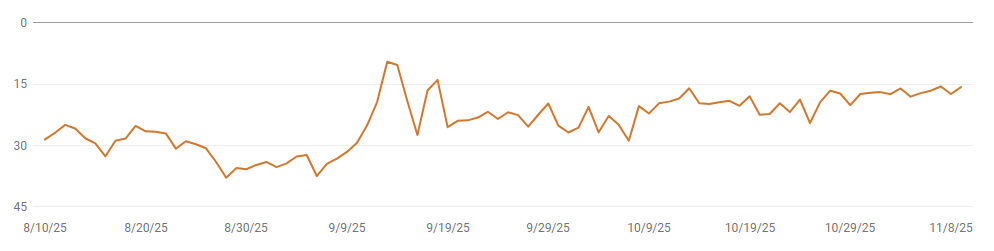
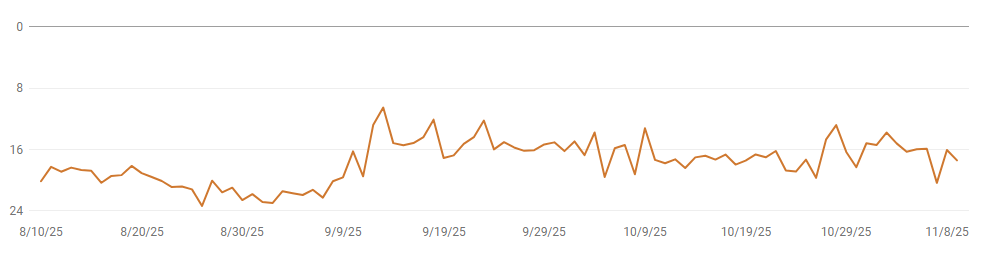
    • Avg 20-position Google rank improvements in prioritized terms for client portfolio.
    • 150 AI-surface “hits/day” achieved within 7 days for a highlighted client.

New Mix-Shift Evidence From the Sep 9 Cohort

  • CTR from Google: up 100% (portfolio average).
  • Local click share: +6.91 percentage points (from 26.65% → 33.56%).
  • International impressions: down ~80%.
  • Total clicks: held within normal margin of error.
  • Interpretation: Mix shift toward locally relevant clicks; global impressions down while total clicks remain steady. This indicates that GetLocalLeadsAI’s hyper-local AI visibility brand strategy is helping clients dial in on their local markets more effectively, improving revenue efficiency without relying on non-local exposure.

Attribution surfaces:

  • Source of truth for the above: GSC (CTR, geographic distribution, impressions/clicks), CallRail (qualified calls/bookings confirmation).

Evidence repositories

  • See the 4 below images.
  • Attribution: GSC confirmed footprint lifts; CallRail confirmed qualified call volume growth.
Image Proving clients saw avg 20 position google rank boost
AI Visibility Ranking Boost

What We Optimized For AI Assistants

  • Entities: Organization name, services, locations, coverage area, hours, credentials, response times, unique value props.
  • Schema: Organization, LocalBusiness, Service, FAQ, Review, Breadcrumb.
  • Content patterns: Step-by-step procedures, decision criteria, pricing anchors/ranges, eligibility and exclusions, parts & labor notes, before/after states.
  • Citability: Short, declarative sentences with facts assistants can quote.
  • Internal linking: Pillars → clusters → FAQs; location and service cross-links.
  • Optional: Prepare an LLMs.txt for AI-friendly source ingestion; see Impression.
Image Proving client gets 150 ai hits per day withing 7 days

Risk Notes and Mitigations

  • SERP volatility around updates: Mitigated via entity clarity, schema completeness, and decision-forward content designed for zero-click surfaces.
  • Evidence calibration: External market data cited for zero-click/AI Overviews; client outcomes anchored in GSC/CallRail.
  • API costs for leveraging Google Programmable Search (if used in internal monitoring): 100 free queries/day; $5 per 1,000 up to 10k/day. Sources: Google Developers; Stack Overflow clarification; Site-Restricted JSON API docs.

Pull-Quotes

  • “We engineered content for assistants and zero-click realities first; the rankings followed.”
  • “Entity clarity and citable facts remain the best hedge against volatility.”
  • “Post–Sep 9, local click share rose while total clicks held steady — a higher-quality local mix without sacrificing throughput.”

Call to Action

  • Book A Call and see if your market is primed for the same lift.
  • CTA: Book A Call!

Sources

Content Marketing For Education – Get Top Ranking Content


Content marketing in education helps schools and colleges connect with students and parents by sharing useful content online. It matches what people are looking for at each step of the student journey, helps the school show up in search and AI results, and brings in more sign-ups through smart use of data and good stories. With the right help, schools can build trust, grow their name, and turn clicks into real-world students.

Key Takeaways

  • Using content marketing helps your school or program stand out. Share useful info often to attract new students and build trust online.

  • SEO helps students and parents find you. Use the right keywords so your content shows up when they search, leading to more questions and sign-ups.

  • Make your content fit the steps students and parents take before they enroll. Share the right info at the right time—when they first hear about you, when they’re comparing options, and when they’re ready to decide.

  • Tell stories with facts and visuals to keep people interested. Show how your programs help, using real numbers and examples your audience cares about.

  • Get more from each blog post by sharing it in different ways—on social media, in emails, or as video. This helps your content reach more people and brings in more leads.

Why Content Marketing for Education is More Important Than Ever

Are you wondering why content marketing for education has become a non-negotiable tool in today’s digital world?

Let’s be honest — students and parents don’t make decisions the way they used to.

You’re no longer just competing with local options or word-of-mouth; you’re now up against a global inbox, algorithm, and search result page.

In today’s environment, well-crafted content isn’t just helpful—it’s your best recruiter.

It captures attention, builds trust, and helps your institution stand out as a reliable source of information.

What’s changed?

The rise of online learning and hybrid educational options has made digital visibility more critical than ever.

Whether you’re a private academy, university, or service business in the education space, your audience expects relevant, easy-to-find content created around their questions and needs.

That’s why content marketing for education matters—it’s measurable, strategic, and helps position your organization as a leader.

Educational decisions often begin with a simple search.

Wouldn’t you rather your message be the one they find first—clear, informative, and persuasive?

When you deliver consistent and valuable content, you don’t just inform.

You influence enrollments.

Now’s the time to invest in smarter content strategies that deliver real results.

Understanding the Role of SEO in Educational Content

Let’s face it—if you’re not showing up in search results, it’s like talking to a wall.

That’s where content marketing for education comes in, backed by smart SEO.

When students or parents start searching, they go straight to Google.

Whether they type in “best nursing program” or “tuition help for international students,” it’s well-placed content that gets their eyes on you.

Search Engine Optimization (SEO) helps your school or program show up right when people are looking.

With the right keyword research, you’re not just hoping for the best—you’re showing up where it matters.

We help find the words your audience is already using, then add them into blogs that teach, guide, and turn clicks into leads.

SEO blog writing services—like the ones we offer at LocalLeadsAi—aren’t just for boosting search rank.

They’re about showing up with the right message at the right time.

Our Aura AI blends sharp SEO skills with real, human stories to make blog content that clicks.

The payoff?

More eyes on your school, better leads, and stronger trust.

In content marketing for education, being found matters—but being remembered makes all the difference.

Key Elements of an Effective Education Content Strategy

When it comes to content marketing for education, a strong plan means more than just putting out random blog posts and hoping they work.

It starts with knowing the content creation funnel: Awareness, Evaluation, and Conversion.

Think of this as a path that helps future students—and their parents—go from first hearing about you to feeling sure about their choice.

In the awareness phase, your content should grab attention and offer real value.

This is a good time for stories, program spotlights, and expert opinions.

Next is the evaluation stage.

Here, tools like comparison charts, FAQs, and topic-based posts help people dig deeper.

Last is the conversion stage, where content like how-to-apply guides and key school benefits help close the deal with a clear next step.

But it’s not just about having a structure—it’s also about having a clear goal.

Your content should fit your school’s larger mission, like bringing in more interest or building strong name recognition.

That’s where data-driven storytelling helps.

By blending facts, images, and simple stories, you can share messages in a way that connects and makes choices easier.

In the end, a smart content strategy doesn’t just share info—it leaves a mark.

And when done right, people don’t just read your content.

They remember it.

Mapping Content to the Student & Parent Journey

To build strong content marketing for education, you need to know the steps students and parents take before choosing a school.

From the spark of interest to hitting “submit” on an application, each point along the way is a chance to build trust, answer questions, and help guide their choice.

At the awareness stage, students and parents are just starting to look at options. This is a great time to offer blog posts that share your school’s mission, highlight unique programs, and tackle common worries.

When they move into the evaluation stage, your content should go deeper—like detailed program pages, Q&As, or side-by-side comparisons.

At the conversion stage, support their decision with clear steps for applying, info on aid, and stories from students who’ve found success.

At LocalLeadsAi, we make sure each content piece lines up with where your audience is in their journey.

We craft SEO blog content that speaks to both students and their parents, keeping both in mind.

When your content matches what your audience is thinking and feeling, it doesn’t just inform—it leads them to act.

That’s what strong, useful content does.

How Audience Research Shapes Educational Content Success

When it comes to content marketing for education, guessing won’t work—you need real audience research to shape your message, titles, and calls to action.

That’s where the real impact happens.

At LocalLeadsAi, we know that truly understanding your audience isn’t just useful—it gives you an edge.

It’s how you turn plain posts into content that connects and delivers results.

Schools and other learning groups don’t speak to just one group.

Yes, you’re reaching students—but also parents, teachers, alumni, and others.

Each one has their own needs, goals, and reasons for making choices.

By using tools that track behavior and gather feedback, we help clients break down these groups and shape blog content to fit each one.

It’s not just about showing up—it’s about speaking their language.

Our SEO blog writing services focus on what your users are really looking for.

From how-to guides that rank well to Q&A style posts that answer real questions, we write content that matches what future students and their parents are searching for.

That’s content marketing for education that works—making your content easier to find and more trustworthy at every step.

With blog strategies built on solid data, your content becomes more than words—it turns into a tool that boosts engagement and helps your school grow over time.

Creating High-Value Blog Content for the Education Sector

Making high-value blog content for the education world isn’t about using fancy words—it’s about being clear, helpful, and in line with your school’s goals.

At LocalLeadsAi, we know that content marketing for education takes more than a few blog posts with some keywords.

It calls for a clear plan, strong focus, and stories that speak to both students and their parents.

Here are our top tips for building blog content that clicks, converts, and climbs in search:

  • How-to guides that explain common school topics, like how to apply or how to study
  • FAQs that ease the minds of future students and families, building trust and sparking interest
  • Trend reports that show your school is keeping up with new ideas in the education space
  • Opinion pieces from experts that help back up your values and message
  • Informational posts with voices from students or staff to help readers connect on a personal level
  • Short videos in blogs to keep visitors engaged and make content easier to take in

📢 Want help creating smart, strong education content?

Team up with LocalLeadsAi’s SEO blog experts now.

Let’s boost your message with purpose and clarity.

Leveraging Social Proof and Thought Leadership

In content marketing for education, trust is key.

Students—and their parents—are making big life choices.

They’re not just picking a school.

They’re betting on their future.

That’s why using social proof and thought leadership isn’t just a perk—it’s a must.

We help you show off your faculty and leaders as trusted experts through smart blog content.

You don’t need tons of reviews or flashy claims.

With real stories and sharp insights, your school can build a strong voice that wins trust, post by post.

Sharing expert views, behind-the-scenes looks at campus life, and big-picture ideas does more than just make your brand feel real—it helps you stand out.

And in content marketing for education, that kind of edge really counts.

Every voice at your school matters.

That’s why our blog writing turns your team’s knowledge into clear, SEO-friendly stories that teach, inspire, and drive action.

At LocalLeadsAi, we know your know-how should shine.

Always.

Using Multi-Channel Content Distribution for Maximum Reach

Writing strong blog posts is just the start.

In content marketing for education, the real impact comes when the right people see your content.

Sharing across many channels helps get your message to students, parents, and others where they already are online.

You can turn blog posts into email updates, social media clips, and site news.

For example, a deep-dive blog on higher education trends can become short email tips, Instagram slides, or LinkedIn posts.

This doesn’t just save time—it spreads your reach.

Keep posting on a regular schedule.

It builds trust, keeps your school visible, and helps with search rankings.

Reusing content also boosts SEO by bringing in links, showing more keywords, and keeping your site fresh.

And don’t forget the user experience.

A site that loads fast, works on phones, and is easy to use keeps people around longer—and that helps with SEO too.

If your site is smooth to use, more visitors will stay and engage.

The right strategy makes a big difference.

We’re here to help you make it work.

Measuring What Matters: Analytics for Education Blog Success

If you’re putting time and effort into content marketing for education, you should see clear results.

That’s where analytics come in.

Tracking the right numbers shows how your content works—and more importantly, how it helps you reach your enrollment goals.

We make this easy by tying SEO blog writing services to data you can use.

  • Traffic: Your blog won’t help if no one reads it. We track views to see which topics grab interest and where that traffic comes from.
  • Bounce Rate: A high bounce rate may mean your content isn’t hitting the mark. We tweak your blog plan to keep readers hooked and guide them through the next steps.
  • Time on Page: More time spent reading means people find value—and it helps boost your SEO at the same time.
  • Conversion Rate: Whether a reader fills out a form or downloads something, your blog should lead them to act.

We use tools like Google Analytics and SEMrush to track how your content performs, make smart updates, and link it all back to what matters: more enrollments and stronger brand reach.

📢 Want SEO blog content that works and drives results? Book your strategy call with LocalLeadsAi today.

Common Pitfalls in Education Content Marketing (And How to Avoid Them)

Getting content marketing for education right takes more than just posting a few blogs and hoping something sticks.

Many groups make the same mistakes—but the good news is, they’re easy to dodge once you know what to look out for.

  1. Posting bland content with no real value. If your blog could apply to any group or school, that’s a red flag. Don’t stay on the surface. Share real stories, strong results, or first-hand insights. Good, useful content wins every time.

  2. Not matching your brand’s tone or goal. Your voice matters. Avoid mixed messages and keep your tone true to your brand. Clear and steady messaging builds trust and helps people remember you.

  3. Overlooking key SEO steps like headers, meta tags, and keyword use. Even great blogs won’t get seen without a plan. Our SEO blog writing services help your content reach the folks who need it most.

  4. Forgetting about E-E-A-T. Google looks for Expertise, Experience, Authoritativeness, and Trust. Use solid facts, expert input, and real knowledge to show you know your stuff—and boost your rankings, too.

At LocalLeadsAi, we created Aura AI to help agencies and service-based businesses grow with SEO content that ranks, works, and drives results.

Aura AI blends human-like writing, smart structure, and AI speed—so you get top-tier, scalable blog content every time.
In today’s world, content marketing for education is more than a nice-to-have.

It’s a smart step that grows your reach and supports long-term success.

FAQs About Content Marketing for Education

What types of blog content are most effective for education audiences?

The best blog content for education audiences includes helpful and easy-to-read pieces. How-to guides that break down key steps, FAQ posts that answer common questions, trend articles that keep readers in the loop, and expert opinions that show your knowledge all help build strong content marketing for education. When your blogs are useful and on point, your readers will come back and trust your message.

How often should educational institutions publish blog content?

Staying on a steady schedule matters more than how often you post. Whether it’s once a week or twice a month, what counts is being consistent. Search engines reward regular updates, and your audience will keep reading when they know when to expect new posts. With Aura AI from LocalLeadsAi, creating high-quality content marketing for education is easy, so your team can keep up without losing quality.

Can SEO blog writing really improve student recruitment?

Yes, it can. Good SEO blog writing helps you connect with students and parents right when they’re making choices. Strong content gets seen more often, answers their top concerns, and builds trust with your school or program. It’s not just blog writing—it’s a smart way to grow your reach and connect with the right people. Using SEO in your content marketing for education helps you show up where your audience is searching.

What additional questions do you have about using content marketing to support your educational institution’s goals?

Profitable Content Marketing for Higher Education 2025

Content marketing helps colleges stand out from the crowd by building trust and drawing in students with useful, student-first content. In 2025, things like personalized stories, smart use of SEO, and videos will be key to reaching potential students online. Having a clear game plan that matches the school’s goals can boost sign-ups, keep students engaged, and grow the school’s brand over time.

Key Takeaways

  • Student behavior is changing, and schools need to keep up. To reach Gen Z, focus on being real and inclusive. Build trust through honest and relatable content.

  • Use data and AI to shape your content. This helps you speak directly to your audience and keeps them engaged, making your school stand out from the rest.

  • Break your audience into groups—like future students, alumni, and parents. Create specific content for each group to connect with them at every stage.

  • Set clear, trackable goals that match your school’s main targets. This makes it easier to see what’s working and how to improve student engagement and retention.

  • Show off your campus with video and virtual tours. Short videos work well with Gen Z, so use them to grab attention and keep interest high.

Why Content Marketing Matters for Higher Education in 2025

content marketing for higher education

Still asking why content marketing for higher education matters so much in 2025?

You’re not the only one.

More schools are rethinking how they talk to students, since today’s students want real, engaging, and digital-first experiences.

Student behavior has changed.

Gen Z doesn’t just sit back and take what you give them—they size up schools based on values, honesty, and how they show up online.

That’s why smart, honest content marketing for higher education is key.

When done right, it builds trust, boosts your brand, and helps you stand out from the crowd.

Today’s students aren’t just skimming course lists.

They’re looking for purpose.

They want schools that tell a real, inclusive story backed by proof.

They want to know who you are before they hit “apply.”

That’s why it’s so important to have a strong digital voice that shows your values, range, and reputation.

Schools that share steady, student-first content don’t just get more applicants—they build lasting support from alumni, families, and staff.

In 2025, content isn’t a nice-to-have.

It’s the main way your school talks to the world—and it has to be worth listening to.
The best plans come from teamwork between admissions, marketing, and tech teams.

With the help of tools like LocalLeadsAi’s Aura AI, they can build a system that grows your reach, builds trust, and shows what makes your school stand out in the world of content marketing for higher education.

Understanding and Segmenting Your Higher Education Audience

When it comes to content marketing for higher education, knowing your audience is key.

You wouldn’t give a graduation speech to freshmen, right?

The same rule applies here.

Learning who you’re speaking to helps build a plan that not only grabs attention but keeps it.

To truly connect, you need to know the different groups in your world: prospective students looking for purpose and a clear path, alumni who want to stay proud and involved, parents who care about results, and educators who seek fresh ideas and support.

Each group has its own needs and reacts to different messages.

That’s why audience segmentation matters so much in higher ed marketing.

It helps you shape the right message for each point in the student journey—from first interest to active alumni.

Customizing content based on values, needs, and habits doesn’t just sound smart—it gets better results across all platforms.

Schools that take time to segment and get to know their audience can turn broad messages into direct, student-focused talks.

In a packed digital space, that kind of focus isn’t just smart—it’s a must for real results.

Setting Clear Goals for Your Education Content Strategy

When it comes to content marketing for higher education, being clear about your goals is key.

Without them, your content can end up doing nothing but taking up space online.

For schools in today’s tough market, having a smart plan is more important than ever.

Most schools aim to boost enrollment, keep students engaged, and help them stay through graduation.

But just having good ideas isn’t enough.

This is why SMART goals—Specific, Measurable, Achievable, Relevant, and Time-bound—matter so much.

Tying these goals to your school’s bigger targets helps make sure your content isn’t just for show—it drives real results.

Here’s where schools can really stand out.

When they tailor messages to fit what students want and need, engagement and conversion rates go way up.

Students today want content that speaks to them, not some bland, one-size-fits-all message.

This kind of personalization isn’t just a buzzword—it’s a must-have in any strong content marketing for higher education strategy.

Keep in mind, you need to track how your content is doing and be ready to tweak things as you go.

We work with schools to set clear markers for success, check the outcomes, and shift tactics when needed.

Because in content marketing for higher education, just like in school, getting better means always learning and adjusting.

GET YOUR FREE
AI VISIBILITY AUDIT WHEN YOU BOOK A CALL!

Get Leads From ChatGPt

Creating Purposeful, Student-Centered Content

When it comes to content marketing for higher education, purpose matters more than promotion.

Today’s students aren’t just looking—they’re judging.

They want to see real results, honest stories, and content that speaks to their goals.

That’s why student-centered content isn’t just a nice-to-have—it’s a must.

At LocalLeadsAi, we help schools create content that connects with students at every step—whether they’re checking out programs, comparing schools, or thinking about future jobs.

Career-focused content keeps growing in value.

Gen Z is future-minded, and they’re drawn to content that shows clear paths to real jobs, builds skills, and offers career advice.

They’re not just picking a college—they’re shaping their future.

When your content speaks to that, your school feels relevant and real.

Using stories is key, too.

Sharing what student life looks like, how the admissions process works, and what growth moments happen along the way helps build real emotional ties.

Facts and stats are helpful—but stories have heart.

When your content speaks to what your students feel and believe, it builds trust.

Strong content marketing for higher education isn’t about creating more—it’s about creating content that connects.

When you focus on real, student-focused messages, you grab attention, build engagement, and earn lasting trust.

Leveraging Video and Virtual Tours to Inspire Prospective Students

Let’s be real—Gen Z isn’t flipping through viewbooks.

They’re watching, scrolling, and taking things in fast.

That’s why video and virtual tours are a must-have for content marketing for higher education.

They spark interest, build trust, and show what campus life is really like.

Video taps into emotion—whether it’s a quick behind-the-scenes look at dorm life or a short TikTok of your mascot handing out coffee during finals.

These clips help you connect.

And today, they’re one of the best ways to show your school’s vibe, culture, and energy.

Short-form content like Instagram Reels, YouTube Shorts, and TikToks works well with students who want fast, fun, and bite-sized glimpses of your story.

Virtual tours act like always-open doors.

They let future students check out your campus from anywhere, anytime.

That’s a big win for folks out of state or overseas who can’t visit in person.

These tools also show that your school values access and innovation.

Done right, content marketing for higher education using video and virtual tours goes beyond just sharing info—it gets students excited.

That’s how you turn a look into a leap.

Using SEO to Amplify Higher Education Content Reach

For content marketing for higher education, great content isn’t enough.

You also need the right SEO strategy to help it reach the right people.

That’s where smart SEO comes in.

  • Keyword research points you in the right direction. When you know what students and their families are searching for, you can create content that answers their questions and meets their needs. Think of terms like “best majors for job placement” or “virtual campus tours.” Use those words the right way so your content shows up where it counts.
  • Our SEO blog writing services at LocalLeadsAi are built to boost reach and reader interest. We don’t just write blogs—we build content that fits your school’s voice and goals. With Aura AI, we scale high-quality SEO content to match what your institution needs.
  • Blend evergreen posts like “what to expect during freshman orientation” with trending topics, such as new hybrid learning options. This helps your content stay fresh and rank well at the same time.
  • A steady blog with stories from students, faculty features, and career tips becomes a strong content base. It draws in visitors, builds trust, and grows your online presence.

👉 See how LocalLeadsAi’s SEO blog writing services can help your university content rank and convert.

Because even the best content won’t help if no one finds it.

Integrating Social Media with Content Strategy

Today, content marketing for higher education goes far beyond just blogs and email.

It now lives on the same social media apps your audience uses every day.

Platforms like Instagram, TikTok, and LinkedIn aren’t just tools—they’re key ways to reach future students, parents, and alumni in real and personal ways.

Each one plays a different role.

Instagram shows off campus life through photos and stories.

TikTok works best for fun, short videos with personality.

LinkedIn is ideal for sharing news about academic success and career growth.

To make social media work with your content, it needs to match the style of each app.

Post quick, eye-catching clips on TikTok.

Share photo slideshows or reels on Instagram.

Use LinkedIn for posts about research, programs, and student outcomes.

One blog can fuel a week’s worth of posts across these platforms, helping reach more people while saving time.

A plan like this keeps your voice strong and steady across all channels.

When it’s done right, your audience feels seen and valued—no matter where they find your content.

That’s the real strength of content marketing for higher education in 2025—it meets people where they are, with the kind of content they already enjoy.

Developing a University Blog as a Hub for SEO and Engagement

A strong university blog does more than share updates—it’s a key tool for content marketing for higher education.

In a crowded academic space, your blog can inform, engage, and connect with the people who matter most—students, parents, and alumni.

Set up your blog with main topics like student experience, faculty stories, and campus news.

These aren’t just random posts—they’re key themes that speak to what your audience cares about.

When done right, blog content builds trust, fills info gaps, and shows your school’s values.

Posting on a steady schedule keeps people interested and helps your site show up in search results.

Link to program pages, admissions info, and virtual tours to boost SEO and help guide readers through the student journey.

Today’s students want options—like hybrid or online learning—so your blog should highlight those choices too.

The big takeaway: if you take content marketing for higher education seriously, your blog isn’t just helpful—it’s a must.

It boosts your reach, shows your value, and gets results.

GET YOUR FREE
AI VISIBILITY AUDIT WHEN YOU BOOK A CALL!

Get Leads From ChatGPt

Encouraging Interaction Through Email and Community Content

One of the best ways to boost content marketing for higher education is by keeping the conversation going with your audience.

At LocalLeadsAi, we know that real interaction isn’t extra—it’s a must.

That’s where segmented email campaigns do the heavy lifting.

Instead of sending one note to all, we help schools send the right message to each group—students, parents, alumni, and teachers.

This makes each message feel more personal and helps people stay engaged.

But emails are just the start.

Online groups—whether in private forums or open social feeds—give people space to talk and connect.

Students and prospects want more than just facts; they want to feel like part of something.

By building online spaces where they can share, respond, and take part, schools can create a strong sense of community that fits their goals and values.

User-generated content also helps you reach more people in a real way.

When your audience shares their stories or thoughts, they feel seen—and they’re more likely to share that content with others.

That trust grows through real exchange.

When done right, community-driven and email-based engagement strategies are great tools to build trust, grow loyalty, and drive enrollment.

And with the right setup, it all scales—just like everything we create at LocalLeadsAi.

Measuring Impact with Analytics and Content KPIs

Let’s be honest—making great content is just the start.

The real win comes from knowing how it performs.

In content marketing for higher education, it’s not enough to guess if your plan’s working—you need to look at the data, not just flashy numbers.

Here’s how we help you see what’s really driving results.

  1. Track the right metrics. We look at the numbers that count—like site traffic, engagement, conversions, bounce rates, and time on page. Want to know if students are actually reading those alumni stories or career blogs? Time on page and scroll depth will show you.
  2. Use smart tools. We use tools like Google Analytics 4, Hotjar, and Data Studio to help schools see how content does over time. These let you track how users move through your site and what blogs lead to clicks on “Apply Now.”
  3. Make updates based on data. We don’t just hit “publish” and walk away. We check results often and fine-tune your content marketing for higher education plan so it works better over time. If something hits, we double down. If it flops, we change course fast.

Ready to stop guessing and start using data that works?

Team up with us and turn your content data into real power.

FAQ: Content Marketing for Higher Education

What types of content perform best for universities in 2025?

In 2025, the best content for schools includes short videos, student blogs, virtual tours, and real stories. Gen Z wants content that feels real, shows what life is like on campus, explains how to get in, and highlights job outcomes. At LocalLeadsAi, we build content marketing for higher education that speaks to today’s students and follows how they think and choose schools.

How does SEO improve visibility for higher education institutions?

SEO helps people find you when they search online. With the right keywords, blog posts, and page setup, your school can show up where students, parents, and staff are looking. Our Aura-ready SEO blog writing services make content marketing for higher education easier, more accurate, and more useful. It’s all about showing up at the right spot, at the right time.

What role does storytelling play in university content marketing?

Good stories make people feel something and help them connect. A student beating the odds or a teacher leading new research can make your school feel more human. In content marketing for higher education, storytelling turns plain facts into strong messages that can help drive more interest and more students.

What kind of content would you most want to see from a university’s marketing team?

AI Content Marketing For Funeral Homes

Funeral home marketing now means creating AI-ready, answer-first content that makes your firm easier to find, trust, and call. Focus on GEO pages with clear answers, local consistency, credentials, and compassionate tone across your site, Google Business Profile, YouTube, and social. Measure what matters: qualified calls and booked arrangements, not just traffic.

Key Takeaways

  • Shift your funeral home marketing toward AI-ready, answer-first pages that AI assistants can parse, so families find clear, compassionate answers without digging.
  • Make trust visible: align website content, Google Business Profile, NAP consistency, and credentials to become “recommendable” in local searches and AI overviews.
  • Prioritize service pages with immediate next steps—click-to-call, arrangement forms, and FAQs—so emotionally driven visitors can act confidently in moments that matter.
  • Build authority with grief resources, pre-need education, and respectful memorial stories, then mirror them across YouTube and social to boost cross-channel discoverability.
  • Measure what leaders value: track qualified phone calls and booked arrangements first, while monitoring AI/SEO visibility growth as the leading indicator of content performance.

AI Content Marketing For Funeral Homes: Make Your Firm Easier To Find, Trust, And Call

Facing urgent decisions, how confident are you that your current funeral home marketing makes your firm the clear, compassionate choice?

Families aren’t browsing; they’re seeking calm answers, fast.

We build content that meets them with dignity, clarity, and zero friction, so your team receives qualified calls instead of confused clicks.

You gain steady visibility, credible presentation, and measurable demand—without gimmicks.

Most families start searching for funeral services online during emotional moments, seeking information swiftly and compassionately.

That reality demands answer-first pages, consistent local signals, and language that reassures.

Our approach makes you easier to find, easier to trust, and easier to call by aligning dignified guidance with structured, AI-parsable content that assistants and search engines readily cite.

We translate your policies, procedures, and values into practical resources and clear next steps, then maintain parity across your site, Google Business Profile, and social.

Families reach out in their hardest moments, so our job is to make your firm easy to find, easy to trust, and easy to call—with answer-first, dignified content that AI assistants and search engines can confidently cite.

We build GEO-ready pages that mirror your real-world credibility across your site, Google Business Profile, and social, then measure what matters: qualified calls and booked arrangements.

If you want calm clarity and compliance baked in, we’ll map your pillars and deliver content that earns recommendations—not just clicks.

When you’re ready for compliant, effective marketing for funeral homes that puts families first and strengthens outcomes, talk with LocalLeadsAi about funeral home marketing services and GEO blog writing services built for funeral homes.

Answer-First Summary: What Marketing Leaders Need To Know In 20 Seconds

Search is shifting fast—from blue links to AI overviews and assistants—so your content must be GEO, answer-first, and structurally sound.

Our approach builds pages that AI can parse instantly: a direct answer, visible proof, and consistent local signals that make your firm recommendable.

Half of consumers judge brand identity and trustworthiness by your website design, so we align structure, language, and UX to earn confidence and calls.

We deliver dignified pillars and leadership-ready measurement without gimmicks.

That means answer-first, cite-able pages, parity schema, and synchronized profiles that AIs recognize and quote.

This guide gives you the strategic map—clarity for at-need and pre-need families, content built for assistants, and KPIs that owners respect.

If you want decisive momentum in digital marketing for funeral homes, we’ll define your strategies and execute services that increase qualified calls.

Get an outline for your first GEO-ready article from LocalLeadsAi and lock in a plan that makes your firm easier to find, trust, and call—on every channel that matters.

Why This Matters Now: From Classic SEO To AI-Mediated Discovery

AI now answers first, and families act fast.

Classic SEO assumed long sessions and deep clicks; today, AI Overviews and assistants assemble decisions from visible HTML in seconds.

That’s why funeral home marketing must be answer-first, structured, and calm.

When your pages deliver a direct, dignified response, assistants surface you as the recommendable option, and your calls rise with less friction and zero gimmicks.

Being recommendable demands on-page proof: clear credentials, services, pricing context where appropriate, staff expertise, and consistent local signals mirrored across your site, Google Business Profile, and social.

AI content discovery increasingly builds direct answers from what it can parse on-page, so we place essential facts high, in plain language, then reinforce with FAQs, policies, and contact clarity.

High-intent queries—at-need and pre-need—convert when your content is structured for decisive moments.

We design pages that are easy to find, easy to trust, and easy to call, aligning digital marketing for funeral homes with practical outcomes.

If you want authoritative, AI-ready support for your marketing for funeral homes and scalable funeral home marketing strategies and funeral home marketing services, request a quick audit of your AI overview readiness from LocalLeadsAi.

What “AI-Ready” (GEO) Content Means For Funeral Homes

GEO means answer-first pages built in visible HTML that AI assistants can cite with confidence.

We open with a direct, plain-English response to the query, then support it with concise context, FAQs, and clear credentials.

No gimmicks, no hidden tricks—just structured clarity that powers effective funeral home marketing.

We add parity schema to mirror on-page facts, so assistants and search engines read the same proof.

Your expertise stays front and center while our layout removes friction.

We make each page trivially parsable: a defined question, a tight answer, scannable explanations, and calls that connect directly to you.

Cross-channel consistency across your site, Google Business Profile, YouTube, and social reduces friction for families and improves recommendability, aligning every signal with your brand.

That alignment is the engine of modern digital marketing for funeral homes.

Families reach out in their hardest moments, so our job is to make your firm easy to find, easy to trust, and easy to call—with answer-first, dignified content that AI assistants and search engines can confidently cite.

We build GEO-ready pages that mirror your real-world credibility across your site, Google Business Profile, and social, then measure what matters: qualified calls and booked arrangements.

If you want calm clarity and compliance baked in, we’ll map your pillars and deliver content that earns recommendations—not just clicks.

Expect us to operationalize ethical, calm content that converts.

This is practical, dignified marketing for funeral homes grounded in measurable outcomes and scalable funeral home marketing strategies.

Ask LocalLeadsAi about funeral home marketing services and GEO blog writing tailored to your needs.

Brand And Compliance Guardrails: Ethics First, Always

In funeral home marketing, dignity is non‑negotiable.

Families arrive in tender moments; your content must use accurate, compassionate language—never sensationalism, clickbait, or pressure.

We commit to truthful claims, transparent communication, and privacy respect in every line.

That includes compliant review practices, clear consent for names and images, and zero fabrication—ever.

Dignified, ethical language, truthful claims, and transparent communication are paramount for funeral home content marketing, and we operationalize that with an editorial checklist and approvals that keep you confident.

AI assists experts; your lived policies, licensure, and staff credentials remain the source of truth.

Our role is to structure answer‑first pages that AI can parse while preserving tone and cultural sensitivity.

We log sources, align with your disclosures, and maintain parity across site, Google Business Profile, and social so nothing contradicts your standards.

This is how digital marketing for funeral homes earns trust and how effective marketing for funeral homes stays compliant.

We know families reach out in their hardest moments, so our job is to make your firm easy to find, easy to trust, and easy to call—with answer-first, dignified content that AI assistants and search engines can confidently cite.

At LocalLeadsAi, we build GEO-ready pages that mirror your real-world credibility across your site, Google Business Profile, and social, then measure what matters: qualified calls and booked arrangements.

If you want calm clarity and compliance baked in, we’ll map your pillars and deliver content that earns recommendations—not just clicks.

Content Pillar 1: Service Pages With Clarity

Your service pages are the backbone of effective funeral home marketing.

We build pages that answer at-need, pre-need, cremation, and memorial planning questions in the first screen, then expand with calm context and clear credentials.

Families act fast in emotional moments, so we position click-to-call, intake forms, and transparent next steps where eyes land first—this is non-negotiable in modern funeral home marketing.

We align on-page details with consistent NAP, licenses, and staff bios to reinforce trust signals AI assistants can cite.

The result: answer-first, AI-parsable pages that convert.

Our approach to digital marketing for funeral homes eliminates friction by pairing direct answers with what to expect, timelines, and immediate help options.

These are not brochures—they’re structured decisions.

Because emotionally driven visitors need certainty, your pages must enable immediate action.

Families reach out in their hardest moments, so our job is to make your firm easy to find, easy to trust, and easy to call—with answer-first, dignified content that AI assistants and search engines can confidently cite.

We build GEO-ready pages that mirror your real-world credibility across your site, Google Business Profile, and social, then measure what matters: qualified calls and booked arrangements.

If you want calm clarity and compliance baked in, we’ll map your pillars and deliver content that earns recommendations—not just clicks.

Have LocalLeadsAi map and draft your core service pages for GEO readiness.

Content Pillar 2: Grief And Guidance Resources

When families search in hard moments, compassionate guidance earns trust fast.

Our approach to funeral home marketing builds a dedicated grief hub that delivers clear, dignified help—support hotlines, bereavement groups, clergy and counseling links, plus straightforward “what to do next” checklists.

We write answer-first pages in visible HTML so AI assistants can cite them, reinforcing your role as a steady community reference.

Families reach out in their hardest moments, so our job is to make your firm easy to find, easy to trust, and easy to call—with answer-first, dignified content that AI assistants and search engines can confidently cite.

We build GEO-ready pages that mirror your real-world credibility across your site, Google Business Profile, and social, then measure what matters: qualified calls and booked arrangements.

If you want calm clarity and compliance baked in, we’ll map your pillars and deliver content that earns recommendations—not just clicks.

We explain what to expect before, during, and after services with calm clarity, never transactional framing.

This is disciplined digital marketing for funeral homes: structured FAQs, consistent language, and clear credentials that reduce friction and increase recommendability.

Partner with LocalLeadsAi to plan a grief resource series that AI assistants can cite—real help, delivered promptly through our expert funeral home marketing strategies and funeral home marketing services.

Content Pillar 3: Pre-Need Education

Pre-need is where trust compounds.

Our GEO blog writing approach delivers calm, practical guidance that answers questions before they’re asked.

We explain benefits, timelines, funding basics, and how to get started in clear, answer-first formats that AI assistants can parse and cite.

Many people intend to pre-plan, yet fewer follow through because critical information feels buried or confusing online—our pages remove that friction with visible HTML answers, FAQs, and transparent policies.

We pair credentials and plain-language disclosures with consistent local signals to establish credibility for planners.

This is disciplined content built for outcomes, not fluff.

Choose strategies that drive qualified inquiries.

Consult LocalLeadsAi on a pre-need education hub aligned to GEO principles and built for outcomes.

Content Pillar 4: Memorial & Community Stories

We elevate trust with dignified storytelling that honors lives and shows how you serve.

Our approach to funeral home marketing centers on thoughtful memorial spotlights, community partnerships, and service reflections that reveal your values without performance.

With explicit permission and privacy-first workflows, we publish sensitive narratives with calm clarity.

Curating memorial features and community stories can strengthen a funeral home site’s credibility and emotional appeal, and these pieces become anchor signals across your site, YouTube, and social—boosting cross-channel consistency and making your content recommendable.

We craft answer-first captions, accessible video summaries, and mirrored posts so assistants and search can cite your work.

Families reach out in their hardest moments, so our job is to make your firm easy to find, easy to trust, and easy to call—with answer-first, dignified content that AI assistants and search engines can confidently cite.

We build GEO-ready pages that mirror your real-world credibility across your site, Google Business Profile, and social, then measure what matters: qualified calls and booked arrangements.

If you want calm clarity and compliance baked in, we’ll map your pillars and deliver content that earns recommendations—not just clicks.

Talk with LocalLeadsAi about funeral home marketing services and strategic digital marketing for funeral homes that respects every family.

Content Pillar 5: Local Presence Signals

Local presence makes your funeral home marketing immediately relevant.

We add city context carefully—service areas, known landmarks, and community involvement—without duplicate pages or fluff.

We keep NAP parity aligned across your site, Google Business Profile, and social so assistants can cite you confidently.

Consistent local SEO signals—accurate business name, address, and phone—turn visibility into recommendability.

Our funeral home marketing strategies use answer-first copy, proximity cues, and structured clarity to drive calls.

Pair that with digital marketing for funeral homes tuned to AI parsing, and your marketing for funeral homes stays dignified and discoverable.

Ask LocalLeadsAi for a local signals alignment checklist for your market.

Discoverability At A Glance: Channels Without Tactics

Your website anchors trust; it’s the canonical source that all channels reference for funeral home marketing credibility.

Google Business Profile is your front door for calls, directions, and reviews—keep details exact and mirrored on-page.

Use YouTube to host concise explainer video content; embed it on key pages to boost assistant-readiness and citation odds.

Social amplifies resources and community updates; maintain consistent messaging and tone.

This is digital marketing for funeral homes done cleanly, without gimmicks.

Schedule a channel consistency review with LocalLeadsAi and solidify your recommendable presence.

Measurement That Leadership Respects

We measure what your owners actually value in funeral home marketing: qualified calls and booked arrangements.

We configure call tracking software to attribute every call to page, keyword, and channel, then tie outcomes to content.

Our model for funeral home marketing weights AI/local visibility and total keyword reach from Search Console as leading indicators, not vanity stats.

Treat AI-mediated visitors like trusted referrals—quality over volume.

You get executive-ready scorecards with cost-per-booked-arrangement clarity.

Talk to LocalLeadsAi for a leadership-ready framework for digital marketing for funeral homes and funeral home marketing services.

Frequently Asked Questions Section

What is the difference between GEO and traditional SEO for funeral home marketing?

GEO makes content answer-first, cite-able, and consistent across channels, while traditional SEO often leans on backlinks and long-form tactics.

How do answer-first pages improve visibility in AI overviews for local funeral services?

They surface direct, structured answers AI can quote, elevating visibility in local results.

Which content pillars should we prioritize first for at-need and pre-need families?

Service pages, grief resources, and pre-need education should lead your content priorities.

How can we maintain dignity and compliance while increasing online visibility?

Use transparent policies, compassionate language, and parity between claims and proof across your site and profiles.

What metrics best show owners that AI content is driving qualified calls?

Qualified calls, booked arrangements, and assistant-sourced conversions are the core indicators.

Enrollment Focused Content Marketing for Schools in 2025

Content marketing helps schools bring in more families by sharing useful content online. In 2025, schools use blogs, videos, and web pages built with SEO in mind to guide parents at each step of the enrollment process. With a clear plan and proper tracking, content marketing can boost enrollment and support admissions goals.

Key Takeaways

  • Keep Up with Changing Trends: In 2025, schools should use AI tools and fun formats like short videos to grab the attention of students and parents who are used to fast-moving digital content. This helps your school stand out.

  • Set Clear Enrollment Goals: Tie your content plan to real goals—like getting more inquiry forms or boosting open house visits. Track what works so you know what to keep doing.

  • Understand Who You’re Talking To: Use data to learn more about your students and parents. When you know what they care about, your content will speak to them better and meet their needs.

  • Match Content to the Enrollment Journey: Share the right content at the right time—blogs for when families are just looking, virtual tours for when they’re thinking it over, and real-life stories to help them decide.

  • Share Your Content Everywhere: Don’t just post in one place. Use your website, social media, and emails. Team up with trusted education blogs to reach even more families.

Understanding Content Marketing for Schools in 2025

Curious how content marketing for schools can help boost enrollment in today’s digital world?

You’re not the only one.

In 2025, it’s not just about grabbing attention—it’s about staying relevant, earning trust, and being front-of-mind for tech-savvy parents and students.

At its heart, content marketing for schools means making helpful, education-based content that speaks to what families want to know.

This can be blog posts, videos, or smart social media posts that tell your school’s story and help build trust over time.

It’s not just about clicks—it’s about trust, respect, and helping families choose your school.

Today’s plans shift with tech and how people behave online.

Teens spend loads of time on TikTok and Instagram, so schools need to show up there.

With AI, you can make content feel more personal and more on point.

Add in tools like virtual tours or quizzes, and your content marketing for schools becomes something users can really engage with.

Schools now focus more on results.

Each blog or video has a goal—like driving sign-ups or building a loyal following.

It’s all about smart stories that help your school stand out and connect in real ways.

How is your school planning to use content marketing in 2025?

Why Content Marketing Matters More Than Ever for Schools

In 2025, content marketing for schools isn’t just helpful—it’s a must.

With more private and charter schools popping up across the country, standing out isn’t just about cool buildings or fancy tools.

It’s about telling your story—and sharing it online, where most parents and students spend their time.

More parents now head to Google before they even think about booking a tour.

They want clear answers: What makes your school stand out? How do you support kids beyond the classroom? Will their child feel like they belong?

These aren’t things your homepage always shows—but a blog post or video can.

That’s why content marketing for schools plays a big role in boosting enrollment and trust.

Longer, value-packed content also helps your school climb in search results.

That means more families can find you—not just today, but in the long run.

Strong blog content builds trust over time, even while you focus on other things.

We help you keep up.

School marketing has changed, and if you’re not building your online presence, you’re already falling behind.

How is your school using content to reach more families online?

GET YOUR FREE
AI VISIBILITY AUDIT WHEN YOU BOOK A CALL!

Get Leads From ChatGPt

Setting Clear Enrollment Goals for Your Content Strategy

Going into content marketing for schools without clear goals is like starting a puzzle without knowing what it should look like.

You need to set focused, trackable goals to give your content direction—and to make sure it actually helps boost enrollment.

Enrollment-geared content marketing strategies aren’t just about sharing info.

They’re meant to get real results.

To help you stay on track, here are some key goals worth setting:

  • Get more inquiry forms filled out by prospective families through blogs, landing pages, and strong calls to action
  • Raise open house attendance by using emails and targeted social media to spread the word
  • Boost engagement on platforms like Instagram with short videos and interactive posts
  • Grow your organic traffic through SEO blogs that use the same terms parents are typing into search bars
  • Track your ROI—like cost per lead and conversion rates—to see what’s working and adjust your plan

At LocalLeadsAi, we build content marketing for schools that gets results—smart, clear, and tailored to your needs.

Our Aura AI blends top-notch human-like writing, strong SEO, and fast delivery to give you polished content in minutes.

Let’s build a content strategy that supports your enrollment goals from day one.

What enrollment goal is your content strategy aiming for this semester? Let us know in the comments!

Identifying and Understanding Your Ideal School Audience

Knowing your audience is key when it comes to content marketing for schools.

In 2025, trying to speak to everyone just doesn’t work.

What matters is sharing the right message with the right people.

That starts by building clear profiles of the students and parents you want to reach.

We help schools collect key info like age, habits, and interests to better see who’s interacting with your school — and why.

These profiles go beyond just where people live or how old they are.

Are the families you want to reach more into strong academics or a wide mix of after-school options?

Do they read blog posts or watch short videos?

Whether you’re speaking to people just starting their search or those ready to enroll, your content should match their needs and stage in the process.

Content marketing for schools works best when it feels real and serves a clear goal.

When you tailor your message to what your audience cares about, you don’t just get more clicks — you build trust.

And with so many schools to pick from, trust can set you apart.

Mapping the Full Enrollment Journey with Content

When it comes to content marketing for schools, one-size-fits-all messages don’t work anymore.

Parents and students go through a full path before picking a school, and each step calls for content that speaks to where they are.

At LocalLeadsAi, we help you build plans that guide families from that first click all the way to signing up.

Things often start at the awareness stage.

This is when blog posts and helpful articles answer searches like “best private schools near me” or “how to apply for kindergarten.”

It’s your first chance to make an impact—so make it count.

As they move into the consideration stage, it’s time to get more detailed.

Virtual tours, video stories, and hands-on guides give families a closer look and real info to think about.

At the decision stage, they’re almost ready to choose.

This is when strong content—like FAQs and pages with clear calls to action—can tip the scale.

But don’t stop at that first click.

Keeping in touch through the whole process builds trust, and trust leads to enrollment.

We help you create content that works like your best admissions team member—just online and always ready.

High-Converting Content Types for Schools in 2025

When it comes to content marketing for schools, not all content works the same.

Attention spans are short, competition is tough, and your audience—parents and students—move fast.

To stand out and bring in real results, your school’s content has to do more than just inform—it needs to convert.

Blog posts are still strong in 2025.

If written with SEO in mind, they help families find your school when they search for education options.

A smart blog plan can boost traffic and build trust.

Landing pages are key for turning clicks into action.

These pages should be well-designed and clear.

Effective content marketing for schools should also make it easy for people to book a tour or get more info.

Visitors should know what to do next within seconds.

Video and visual content play a huge part when families are making a choice.

Virtual campus tours, stories about students, and clips that show sports, clubs, and other extras can give people a real feel for your school.

Real stories from students help build trust.

They show what your school is really like and help families picture their own child there.

In the end, success comes from a clear, smart plan for content marketing for schools.

LocalLeadsAi can help you create a strong content plan that connects with families and boosts enrollment.

What types of content have worked best for your school’s marketing efforts? Let us know in the comments below.
A smart calendar helps avoid last-minute stress and keeps your content marketing for schools steady, clear, and useful.

Think of it like a digital syllabus — but with more room to be creative and adjust as you go.

SEO Writing for Schools: Ranking with Purpose

In today’s world, content marketing for schools isn’t just about showing up on Google—it’s about driving real growth.

Parents in 2025 aren’t flipping through paper brochures or calling schools to ask questions.

They’re using Alexa, searching things like “best STEM schools near me,” and reading school blogs long before they fill out a contact form.

That’s where our SEO blog writing services help.

Smart blog writing means using the right words—words real families are searching for.

We mix AI tools with real strategy to find those keywords that work best for schools.

From “top-rated charter schools” to “how to prepare for kindergarten,” we write posts that speak to what families want to know.

But good SEO is more than just keywords.

Strong internal links, clear page titles, smart tags, and useful writing all help boost your spot in search.

We also focus on voice search, since more families are using smart speakers to look for schools.

Content marketing for schools in 2025 is sharper and more focused on results.

With strong SEO, your blog doesn’t just fill space—it becomes a key part of your plan to boost enrollment.

Let your school’s story show up where it counts—at the top.

How is your school using content to show up online in 2025?

Content Distribution: Reaching the Right Families at the Right Time

Great content is just step one—what matters just as much is getting it in front of the right families.

Content marketing for schools in 2025 isn’t only about strong ideas; it’s also about smart sharing on the platforms where parents and students already spend time.

Your school’s website should be the base.

Keep it smooth and up to date.

But don’t stop there.

Go past your homepage and blog.

Email newsletters still work well, especially when they’re personal and give real value straight to a parent’s inbox.

Social media like Instagram and TikTok are now must-haves if you want to meet families where they scroll.

Use videos, slideshows, and real school moments to show off what makes your school unique.

Also think local—use local listings and team up with top education blogs.

These tools help with content syndication, boosting your reach to the right families.

You can also turn one blog into many forms—like short clips, charts, or quick posts—to stretch your reach without more work.

Want to improve how people find your school?

Content marketing for schools should mix strong content with the right plan to share it.

We can help you do just that, in a smart and simple way.

Measuring What Matters: KPIs for School Content Campaigns

If you’re putting time and effort into content marketing for schools, you need to know if it’s working.

That’s where KPIs—key performance indicators—come in.

Tracking the right ones shows what’s working, what’s not, and where to focus to get better results.

The goal isn’t just to write—it’s to boost enrollment.

Here are the key KPIs to keep an eye on:

  • Click-through rate (CTR): Shows how often people click your content links. Helps you see how your headlines and on-page content are doing.
  • Form fills and inquiry submissions: These show real interest. When someone takes time to fill out a form, they’re looking to connect.
  • Time spent on page: If parents and students stay longer, your content is hitting the mark.
  • Engagement on interactive content: Think quizzes or video tours—these show how much people are engaging with your brand.
  • Use Google Analytics goals and events to track how users act on your site.
  • Do quarterly reviews to make sure your plan matches what’s really working.

Want content that brings real results?

LocalLeadsAi has you covered.

GET YOUR FREE
AI VISIBILITY AUDIT WHEN YOU BOOK A CALL!

Get Leads From ChatGPt

  1. AI-Supported Content Made Just for Your Audience
    Generic messages are on the way out. In 2025, content marketing for schools relies more on AI to make content feel personal. Smart tools help shape messages based on interests, habits, and past clicks. From custom emails to unique landing pages, schools are building content that fits each family’s needs. AI helps boost enrollment by making every message hit closer to home.

  2. Focusing on Mobile and Voice Search
    More people now use phones and voice helpers to find info. That means school content needs to be mobile-optimized, quick to load, and built for voice search. Whether a parent is asking a device about schools or a student is checking programs on their phone, the content has to be simple and fast. Clear menus and SEO-friendly text help users find info quick and easy.

  3. Real Stories with a DEI Lens
    Today’s families want schools that are open, honest, and values-driven. In content marketing for schools, real stories matter. Diversity, equity, and inclusion aren’t just buzzwords—they’re key parts of how schools share who they are. When schools show real voices, real values, and real stories, they build trust and stand out from the crowd.

FAQ About Content Marketing for Schools

What type of content is most effective for school enrollment?

The best content marketing for schools builds trust and sparks interest. Blog posts that teach, landing pages made to convert, and short-form videos that show off your school’s vibe all work well. Families want to see what makes your school stand out—so content that highlights special programs, student wins, and active staff can really connect. Adding virtual tours and interactive tools helps build a stronger bond.

How often should a school publish new content?

Being consistent matters more than posting a lot. Sharing two to four new pieces each month supports content marketing for schools by keeping your school in view without burning out your team. Fresh content also helps with search engine rankings and keeps you visible through the enrollment cycle. You can also reuse your content on social media, email, and your site to get more value from it.

How can a school measure ROI from content marketing?

You can track ROI in content marketing for schools by looking at actions like form fills, event sign-ups, and web engagement. Tools like Google Analytics show how people interact with your content, how they move through your site, and how much traffic grows. Using clear, data-based goals helps you see how your content leads to more enrollments.

What questions do you have about content marketing at your school? Let us know in the comments below!

Unstoppable Content Marketing for Lead Generation in 2025

Content marketing helps you pull in the right people, keep them interested, and turn them into customers. By sharing useful stuff—like blogs, how-to guides, or videos—you build trust and bring in steady leads without paying for ads. When you use data to guide your plan and share your content in smart ways, it becomes one of the best tools for growing your business.

Key Takeaways

  • Content marketing for lead generation brings in more leads for less money. It gets over three times more leads than old-school marketing and costs less. It’s a smart way to boost your ROI.

  • Know your audience well. When you understand what they want and how they think, you can create content that connects with them. Trust and emotion play a big role in getting them to act—especially in B2B.

  • Match your content to the sales funnel. Use blogs to build awareness, videos to keep them engaged, and testimonials to help close the deal. Each stage needs the right message.

  • Mix up your content formats. Use blogs, videos, and guides to reach more people. Evergreen content—stuff that stays useful over time—will keep bringing in leads long after it’s published.

  • Track what works. Look at key numbers like how many leads you get and how people interact with your content. Use that data to tweak your strategy and keep up with what your audience wants.

1. Why Content Marketing Is the Lead Generation Engine of 2025

Wondering why content marketing for lead generation is becoming a go-to strategy for service-based and agency businesses?

You’re not alone.

Buyer habits keep shifting, and it’s hard to keep up.

But the piece you’ve been missing might be right in front of you.

Today, most people check out your business long before they reach out.

That’s where content marketing steps in.

Think of it as your always-on sales team—sharing info, building trust, and warming up leads 24/7.

So instead of chasing people down, your content brings in leads who already feel ready to work with you.

This isn’t just a new trend—content marketing for lead generation is a shift in how smart businesses find clients.

It pulls in better leads, costs less than cold outreach, and works great for B2B and service brands.

It also scales with your growth and matches how people actually buy now.

In 2025, content won’t just help your sales—it will be your sales.

Want to know why it’s such a game-changer?

Let’s break it down.

2. Understanding the Psychology of Your Ideal Clients

Ever wonder why some content works while other pieces fall?

It usually comes down to one thing—how well you know your audience.

At LocalLeadsAi, we believe great content marketing for lead generation starts with understanding how your ideal clients think and act.

It’s more than just age or job title—it’s about what drives them, what they want, and what makes them act.

If you run an agency or service-based business, you know your clients don’t make snap decisions.

They need to trust you.

They want to see that you’re an expert.

And yes—they need to feel a real connection.

That might seem strange in B2B, but it’s true.

People use emotion to make big choices.

That’s why good stories work so well.

They show your human side and build trust before you even talk sales.

Once you’ve tapped into what your audience cares about, you can shape your content to match.

That might mean sharing your founder story or writing a step-by-step blog that solves a core pain point.

When your content shows you “get” your audience better than anyone else, content marketing for lead generation doesn’t just work—it pulls people in.

3. Aligning Content with the Modern Sales Funnel

When it comes to content marketing for lead generation, lining up your content with the sales funnel is not just helpful—it’s key.

Why? Because people today know more and expect more.

They move through your site with a goal in mind.

If your content doesn’t line up with what they need at each point, they’ll bounce.

At the start of the funnel, it’s all about awareness.

This includes blog posts, how-to guides, and SEO content that brings in new traffic.

This is when people first find your brand—maybe through a search they typed in late at night.

Next comes the engagement stage, where deeper posts like expert takes and long-form pieces help build trust and show you know your stuff.

Last, at the conversion step, you need content that talks about your service, shows how you stack up, and includes clear calls-to-action.

Our core focus—SEO blog writing—fits into each part of this plan.

Each post is set up to bring folks in, keep them interested, or get them to act.

That’s the value of content marketing for lead generation when done well: it meets people where they are and helps turn them into clients.

GET YOUR FREE
AI VISIBILITY AUDIT WHEN YOU BOOK A CALL!

Get Leads From ChatGPt

4. The Top Performing Content Types for Lead Generation

In content marketing for lead generation, there’s no one best format—but some types keep coming out on top.

At LocalLeadsAi, we focus on what works, backed by clear plans and real results.

Long-form blogs are a strong choice.

They boost SEO, answer key client questions, and show you’re an expert.

Think of guides, how-to posts, and deep explainers—great for pulling in leads and ranking well.

Downloadable guides and checklists give readers useful tools they can act on.

They build trust and help move people through the sales process.

Video stands out, especially on LinkedIn and Instagram.

A short, sharp video can show off your brand, explain your service, and push leads to take that next step.

It also pairs well with blog posts for a full-on content experience.

We help you mix long-term content for lead generation that boosts SEO with time-sensitive topics that spark fast action.

With smart planning and steady follow-through, we help you win at content marketing for lead generation.
Old marketing tricks don’t work like they used to.

Today’s buyers know what they want, and they go straight to search engines to find it.

Good blog posts meet them there.

By writing helpful, keyword-rich content that answers their real questions, your site starts to rank higher.

That builds trust and gets clicks.

6. Crafting Magnetic Content That Converts

Creating magnetic content that converts isn’t about luck—it takes solid planning and smart writing.

At LocalLeadsAi, we know that content marketing for lead generation is more than just using the right keywords or posting often.

It’s about grabbing interest, giving value, and guiding readers in a way that feels real—not pushy.

It all starts with a strong headline.

We use clear hooks to catch the eye and hint at what the reader will get.

But it doesn’t stop there.

A sharp value proposition, shared up front and repeated through the piece, helps readers know what’s in it for them.

We also use storytelling.

Sharing quick before-and-after scenes or small wins helps bring your brand to life and builds trust.

Then we add proof.

We mix facts, insight, and a clear point of view to show your brand knows its stuff.

And we never forget the next step.

A simple, clear call-to-action shows readers what to do without making it feel like a pitch.

Done right, content marketing for lead generation feels like a real talk—not a sales push.

That’s the kind of work we aim for in everything we write.

7. Content Distribution Strategies That Drive Traffic and Leads

You’ve created strong, useful content—now what?

If you want it to bring in leads, you can’t just post it and hope.

In 2025, that won’t work.

To get real results from content marketing for lead generation, you need a smart plan for getting your content out there.

Here’s how we make sure content works harder:

  • Share blog posts in more places—like LinkedIn, Instagram, and your email list. This isn’t taking shortcuts—it’s making your content go further without extra work.
  • Post on a set schedule. People need to see your message more than once before they act. Show up often and stick to a routine.
  • Pick the right platform for the content. Use LinkedIn for B2B, short YouTube videos to show your service, and your newsletter for in-depth ideas. Where you post matters.
  • Use SEO to your advantage. If your content is easy to find in search, it keeps bringing in traffic for months—sometimes years.
  • Mix free posts with paid ads to grow your reach. If a blog post does well, use ads to push it even further.

📢 Want your blog to bring in more leads? Let LocalLeadsAi’s SEO Blog Writing Services help fuel your sales pipeline.

8. Measuring What Matters: Key Metrics for Lead-Generating Content

In content marketing for lead generation, the data you track makes all the difference.

Vanity stats like likes and views might look good, but they don’t show if your content is pulling in real leads.

At LocalLeadsAi, we keep our eyes on what brings in revenue, not just reach.

Start with lead conversion rates.

Are your blogs turning curious readers into solid leads?

Then look at where your website traffic comes from.

Is it search, social media, or email?

Knowing this helps you focus your content marketing for lead generation on the channels that work best.

Add to that audience engagement—things like how long people stay on a page, how far they scroll, or if they bounce right off.

These all show how much value your content brings.

But don’t just track—use the info to shape your plan.

That’s where content ROI matters.

Are your posts bringing in strong leads who convert later?

If not, maybe your headlines, calls to action, or topics need to change.

Your data tells a story.

Listen to it.

When you change what’s not working and double down on what is, your content marketing for lead generation becomes a whole lot stronger.

GET YOUR FREE
AI VISIBILITY AUDIT WHEN YOU BOOK A CALL!

Get Leads From ChatGPt

9. Avoiding Common Mistakes in Content Marketing for Lead Gen

Even pros in content marketing for lead generation can make simple mistakes.

And nothing slows progress like putting out content that doesn’t bring leads or connect with your audience.

At LocalLeadsAi, we’ve seen how small fixes can lead to big gains.

Here’s what to watch out for:

  1. Posting content with no clear plan or goal
    If there’s no plan, the content usually won’t work. If you don’t know who you’re talking to or what you want to achieve, your blogs—even the good ones—may fall flat. Every post should have a goal, like bringing in leads, building trust, or showing that you’re an expert.

  2. Message doesn’t match or keywords feel forced
    Shoving in keywords just to boost SEO can turn readers away. Your content should feel natural and clear. In content marketing for lead generation, focus on real value. Aim to help, not just rank.

  3. Skipping promotion and share tactics
    Even the best content won’t perform if no one sees it. Getting it in front of the right people at the right time is key. SEO blog writing works best when backed by sharing methods that grow reach and drive leads.

Skip these mistakes, and you’ll be on track to build a content system that gets results and sets you up for long-term growth.

10. Future-Proofing Your Content Strategy for 2025 and Beyond

The digital space keeps moving fast.

If your content marketing for lead generation plan still feels like it did in 2020, it’s due for a major update.

To keep up with changes in search engines, buyer habits, and tech trends, you need to think forward.

Here’s how we help service businesses and agencies stay ahead:

  • Use AI and smart tools to write blog content that speaks to what your audience needs now. Aura AI helps you build content that sounds real, performs well, and grows with your brand.
  • Ditch stiff content plans and use flexible ones instead. The online world shifts fast. A flexible setup lets you adapt while still pulling in leads.
  • Keep your story the same across platforms. Long-term wins in content marketing for lead generation come from posting strong, useful content on a regular basis.
  • Try new formats, like AR or VR, if they fit your message. Using fresh tech helps your brand stand out and avoids looking stuck in the past.

📢 Our SEO Blog Writing pros at LocalLeadsAi are ready to help you lead the way in 2025 with smart content made for lead generation.
Each piece we write leans into content marketing for lead generation, mixing stories, SEO, and copy that inspires action.

You’re not just getting a writer—you’re getting a team that knows what makes people act in a busy online world.

With LocalLeadsAi, your content won’t just show up—it’ll connect.

Frequently Asked Questions

What’s the most effective type of content for lead generation?

The best kind of content for lead generation depends on who you’re trying to reach and where they are in their buying process. For service-based companies and marketing firms, long-form SEO blogs tend to work well. These posts teach, give value, show up in search, and keep bringing in leads over time. Add strong calls to action and expert tips to help build trust and turn readers into leads. Short videos and free downloadable tools can also keep people engaged and give you more ways to capture leads.

How often should I publish SEO blog content to see results?

In content marketing for lead generation, consistency matters. Try to post high-quality SEO blogs once a week. Think of each post as a small digital rep for your brand, always working to bring in new traffic and leads. Over time, this rhythm helps grow your site’s authority, boosts your search rankings, and keeps the leads coming in.

Can content marketing really replace outbound lead gen strategies?

Old-school tactics like cold calls or mass emails still exist, but more businesses are seeing better results with inbound methods. Content marketing for lead generation pulls leads in by answering questions, building trust, and showing up when people search for help. It’s a smart, steady way to grow leads that fits how people shop for services today. Outbound may still help in some cases, but a strong content plan will likely give you better, longer-term results in 2025.

💬 What’s your biggest challenge in using content to generate leads? Drop your thoughts below—we’d love to hear them!

BOOK YOUR AI-VISIBILITY DISCOVERY CALL!